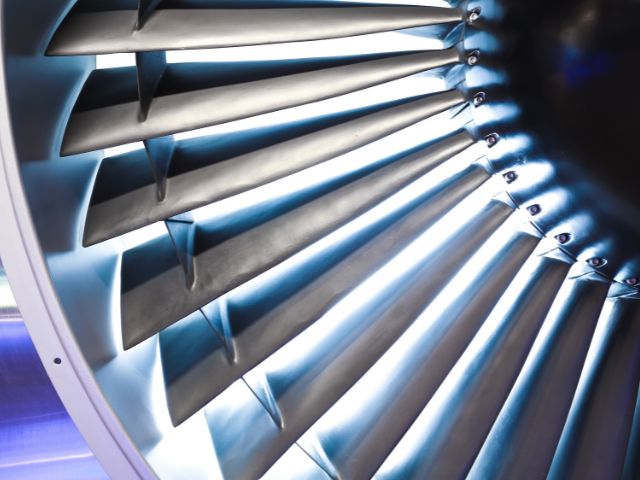
Non-destructive testing uses methods that don’t harm the systems and parts being tested, hence the name. Technicians use several methods that fall under this umbrella. An inspector will decide which way is best based on what’s undergoing the testing process. Continue reading to explore common types of non-destructive testing methods.
Radiography Testing
This testing type uses gamma radiation or X-radiation to locate problems in a system or component. A radioactive isotope or X-ray generator sends radiation into the tested material, and the detector spots the radiation.
Ultrasonic Testing
High-frequency sound waves search for and detect imperfections with ultrasonic testing. It finds changes in the material’s properties with sound reflections (echos) to alert the technician that something is wrong. This method of ultrasonic testing is commonly known as pulse-echo. Other types of ultrasonic testing include time-of-flight diffraction (TOFD), phased array ultrasonic testing (PAUT), and automated ultrasonic testing (AUT).
Visual Testing
Technicians will visually inspect the machine to collect data on the material’s status. It’s the most basic form of non-destructive testing because they simply look at the equipment. The only tool necessary is a good pair of eyes.
Staff can use a Remote Visual Inspection device, like a borescope, to get a closer look. A borescope is one of the many commonly utilized tools in engine turbine blade testing while conducting inspections. Inspectors can also use headlamps or flashlights to visually inspect the equipment.
Dye Penetrant Testing
This non-destructive testing type is also known as Liquid Penetrant Testing. A liquid with a visible or fluorescent dye coats the material, and the technician will remove any excess solution. The liquid will seep into defects or breaks, and ultraviolet light will locate the problem areas.
Leak Testing
Leak testing will identify leaks in vessels or structures. A few different types of leak testing methods inspectors use include the following:
- Listening devices
- Soap-bubble examinations
- Pressure gauges
All of these methods help a technician discover the issues.
Many industries, including aviation, automotive, manufacturing, medical devices, and power generation, commonly use the above non-destructive testing methods. They ensure all equipment, materials, and systems are operating efficiently.
Leave a Reply