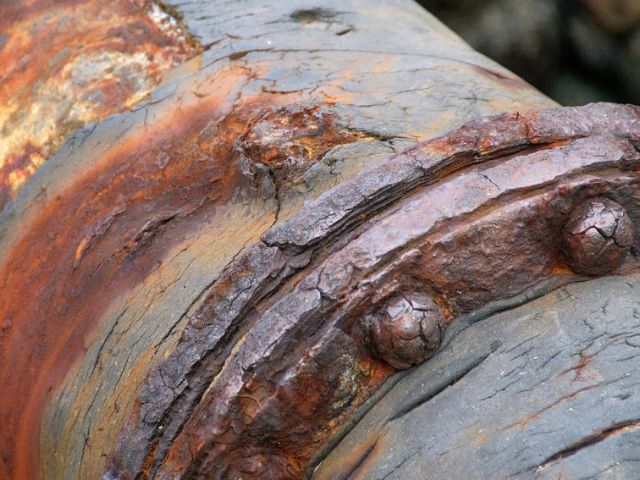
The modern world would be a very different place without vast underground networks of pipes that transport oil, gas, water, and other chemicals to homes and buildings. Pipes made from materials like copper, cast iron, aluminum, and carbon steel are vulnerable to harmful corrosion over time. To keep your pipeline in safe working condition, learn about the most common types of pipeline corrosion and what you can do to prevent them.
Uniform Corrosion
As the name implies, uniform pipe corrosion manifests as consistent loss of material and thinning along the pipe’s surface. This type of corrosion is measured in millimeters per year.
Prevent uniform corrosion along your pipeline by choosing suitably thick piping materials and using paints or metallic coatings to thicken the pipe walls.
Galvanic Corrosion
When you electrically connect two pipes made of materials with different corrosion potentials, the pipe acting as the anode will deteriorate more quickly than the cathode pipe. This process is called galvanic corrosion.
Avoid this galvanic reaction by choosing piping materials that are closer to one another in corrosion potential.
Pitting
Do you notice cavities or pits forming on a specific part of your pipeline? Pitting often occurs on pipes that are routinely exposed to chloride chemicals, or on pipes that already had manufacturing defects.
Luckily, you can prevent pitting on your pipeline with cathodic protection, which means turning the corrosive material into the cathodic end of an electrochemical cell. Every two to four years, have your cathodic protection system tested for efficiency.
Crevice Corrosion
Do your pipe joints and other crevices deteriorate more quickly than the rest of your pipeline? Those nooks and crannies don’t get as much oxygen, and the areas without oxygen become the anode portion of an electrochemical cell, resulting in corrosion to those crevices.
Instead of riveting your joints, weld them together. This process will help prevent future crevice and joint corrosion.
Keep your pipeline in good health so it can continue to deliver oil, gas, water, or other chemicals to the right destinations. When you know more about the different types of pipeline corrosion, you can take appropriate action to prevent them.
Leave a Reply