Author: felicia

  • Essential Skills Every Employee Should Learn

    Essential Skills Every Employee Should Learn

    Employees are a business’s heart and soul. A dental office can’t operate without dental hygienists and dentists. Schools can’t operate without teachers. Bouquets can’t come together without florists. Whether you manage a medical facility or retail store, your staff—and their abilities—play an influential role in your business’s success. Discover what essential skills every employee should learn to enhance future success and keep businesses operating smoothly.

    Emergency First Aid Basics

    Every workplace faces dangers, from tripping hazards to fire risks. Some workplaces, like medical facilities and construction sites, come into contact with more hazards than others. Mitigating dangers in the workplace makes sure the staff remains happy and healthy and business operates as usual.

    Being first aid trained in the workplace is important to guaranteeing success. Employees with first aid knowledge can:

    • Diffuse anxiety and fear in an emergency
    • Reduce the seriousness and fatality of injuries
    • Get people to safety effectively and efficiently
    • Prevent additional dangers from arising

    First aid skills give employees the appropriate response knowledge to any emergency, preparing them for any workplace danger and maintaining order and efficiency in the workplace, no matter the circumstances.

    Communicative Collaboration

    Collaboration and communication are two essential proponents of success. Collaboration generates a team dynamic, making everyone feel important and streamlining the creative thinking and problem-solving process—more minds mean more solutions. Communication creates cohesion throughout the workplace, making sure everyone operates on the same page. Employees with communicative and collaborative skills are key team players, maintaining productivity and efficiency in the workplace.

    Independent Problem-Solving

    Problem-solving skills reduce barriers in the workplace and guarantee a smoother workday. No matter where you work or the nature of your job, every workplace and job role can run into an array of problems during the workday. Printers can jam up. Storms can occur. Technology can malfunction. Problem-solving skills allow people to find a way around any situation, adapt to circumstances, and ensure nothing gets in the way of their goals. Employees with problem-solving skills keep things flowing in the workplace, no matter what barriers arise.

    Guarantee success in your business by training staff or hiring employees with these three essential skills. With first-aid knowledge, communicative collaboration, and problem-solving abilities, employees can enhance a workplace and keep your center of operations running effectively, efficiently, and smoothly.


  • 4 Ways To Make Your Truck More Theft-Proof

    4 Ways To Make Your Truck More Theft-Proof

    Vehicle theft is an all-too-common occurrence in today’s world. As a truck owner, you continually seek ways to make your truck more theft-proof. By investing a little bit of time and effort, you can protect your vehicle and prevent the headache of a stolen truck or belongings. Discover four effective and actionable tips to make your truck less of a target for thieves.

    1. Install an Alarm System

    One of the first steps you can take to make your truck more theft-proof is installing a high-quality alarm system. Many modern trucks come with a factory-installed alarm, but if yours doesn’t, you can easily find aftermarket systems compatible with your vehicle. An alarm system alerts you when someone tries to break into your truck and is a deterrent for would-be thieves.

    Plus, many insurance companies offer discounts on your premiums if your truck has an alarm system. This can be a more expensive installation, so consider the initial cost and ongoing fees for monitoring services. Still, the security an alarm system provides far outweighs its costs.

    2. Get a Bed Cover

    Adding a bed cover to your truck is another effective way to make it less appealing to thieves. Bed covers hide the contents of your truck bed from view and make it more challenging for a thief to access and steal your belongings. Plus, theft protection isn’t the only benefit bed covers provide—it’s just one of the reasons to get a bed cover for your truck.

    Various types of bed covers are available on the market, including soft and hard rolling, folding, and retractable covers. Choose one that suits your needs and budget.

    3. Add a GPS Tracker

    Installing a GPS tracker in your truck enhances its security by allowing you to monitor its location. If the unthinkable happens and someone steals your truck, you can track it using your smartphone or computer. Law enforcement can then use this information to locate and recover your vehicle more quickly.

    4. Park in Safe Areas

    Simply being mindful of where you park your truck can make a significant difference in preventing theft. Whenever possible, choose well-lit, busy areas with security cameras. Avoid isolated or dimly lit parking spaces that may be more attractive to thieves.

    There are various ways to make your truck more theft-proof. By investing in an alarm system, getting a bed cover, adding a GPS tracker, and being mindful of where you park, you can significantly reduce the likelihood of thieves targeting your truck. So why not try these tips and upgrade your vehicle security today?

  • 4 Good Tips for Choosing the Right Base Layer

    4 Good Tips for Choosing the Right Base Layer

    Believe it or not, you can still find locations that allow for snowmobiling this time of year. When you venture out on your snowmobile or engage in another activity in cold weather, you want to ensure that you dress appropriately. An important part of this process is choosing a base layer that touches your skin and regulates your temperature. Whether you’re heading for a snowy location or planning ahead for winter, check out these four good tips for choosing the right base layer to protect yourself in the cold.

    Don’t Pick a Cotton Base Layer

    One of the most important layering techniques for snowmobilers to know is picking a moisture-wicking and quick-drying base layer. To meet this need, you should pick clothes that consist of polyester or another synthetic material. Although you may consider cotton, it’s better to avoid that material.

    Unlike polyester, cotton will absorb your body’s moisture. Wearing cotton when participating in a cold-weather activity will leave you cold and in danger of health risks such as hypothermia or frostbite. Instead, stick with something that will keep you dry.

    Find a Snug Base Layer

    Another good tip for choosing the right base layer is to find something that will fit snugly against your skin. This will allow you to enhance the level of moisture-wicking properties that you experience. Find something close to the skin so that the fabric can distribute your moisture and keep you dry.

    Look for Durability

    It’s also a good idea to look for a durable product when choosing a base layer. After all, you may not only use it for snowmobiling but for other outdoor activities, such as rock climbing. In this case, you may want a synthetic or Merino wool product that will provide a relatively long lifespan.

    Don’t Be Afraid of Zippers

    A final tip for choosing base layers is to not avoid zippers. Although you may not like the feeling of the zipper against your bare skin, it can provide an advantage if you get too warm, even out in the snow.

    You can take your zipper down, let in some cool air, and then pull it back up when you want to warm yourself up again. You’ll be glad you have this option while away from shelter.

    With these considerations, you can better prepare for your time in the snow. You’ll be able to spend more time having fun.

  • When You Should Replace a Washer and Dryer

    When You Should Replace a Washer and Dryer

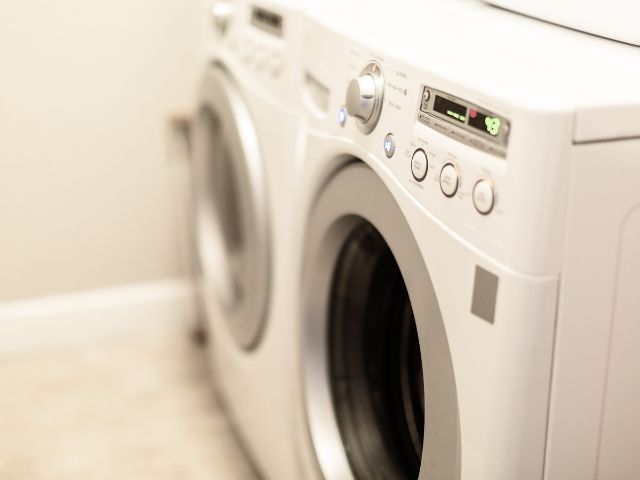
    We’re fortunate to have the technology, like washers and dryers, that makes cleaning our clothes easier to get done quickly. However, these appliances don’t last forever, and there will come a time when a replacement is necessary. It’s vital to know when you should replace a washer and dryer so you’re never left without a way to get your laundry done.

    They’re Getting Old

    The most common time to replace your laundry machines is when they’re old and outdated. When evaluating the state of your washer and dryer, you should look for signs of wear and tear, such as rust or corrosion on any metal components. Older models also tend to take longer than newer ones when running through cycles, making laundry day less efficient. Additionally, older machines use more energy than newer ones. If you’re looking for a more sustainable solution, Upgrade to new energy-efficient appliances, which can save you money on utility bills. Replacing them is also a good idea if you’ve had them for 10 years or more, as they are likely at the end of their lifespan.

    They’ve Had Several Repairs

    If your washer and dryer have had several repairs, it’s probably time to replace them. It is important to understand the cost of laundry machine repairs versus replacement. Although repairing an old appliance may seem more cost-effective, you could spend more money over time due to repeated repair bills and potential energy costs associated with running an older model. Investing in a new washer and dryer will help save money on energy costs by having a newer model designed for better efficiency. Additionally, modern appliances tend to have longer lifespans than their predecessors, so you can expect them to last much longer before needing any significant maintenance or repair work.

    They’re No Longer Working Properly

    Improper functioning is also a telltale sign that the time has come to upgrade to a new washer and dryer. You may notice that the clothes aren’t coming out as clean as they used to, which can be due to a buildup of detergent residue or mineral deposits over time. Another indication could be strange noises like rattling or grinding from either appliance, indicating something has gone wrong inside the motor. Inspecting other areas inside the washing machine drum and around seals and gaskets will help you identify potential leaks that have gone unnoticed over time but could still pose an issue when trying to operate either device effectively. Replace the appliance with a newer model rather than pour money into a machine that needs several costly repairs.

    Now that you know the signs that it’s time to replace your washer and dryer, you can determine if this is the right step to take with your appliances. Once you make the replacement, you can enjoy more efficient machines that make laundry day a breeze.

  • Popular Accessories You Need for Your Truck

    Popular Accessories You Need for Your Truck

    Trucks are useful vehicles that can assist in moving and towing. They’re also great for off-roading and other recreational activities. You may need to purchase additional components that provide more functionality or better aesthetics for your truck, so check out these popular accessories you need for your truck.

    Bed Liner

    The bed of your truck makes it unique. You can use the open space for transporting items and storing equipment. However, no matter the condition of your truck bed, it will wear down over time, making it more susceptible to dings, scratches, and rust.

    A bed liner is a perfect accessory for truck owners concerned about their bed’s long-term quality. Applying a spray-on lining is an affordable way to keep your truck in good condition. Abrasions are easy to repair and ensure cargo stays safe while driving.

    Steps or Running Boards

    If you have trouble entering and exiting your pickup truck, you may want to purchase a set of steps to ease the transition. Most large pickup trucks have steps that allow drivers and passengers to get in and out easily, but you may prefer something different.

    Having a sturdy spot to put your foot can prevent accidents and alleviate strain. Learning the difference between side steps and running boards will give you a better idea of which feature will work best for your vehicle. The type you choose ultimately comes down to personal preference.

    Mud Flaps

    Trucks with large wheels can kick up a lot of dirt and mud, making it harder to keep the vehicle’s undercarriage clean. Mud flaps can limit the amount of spray and debris your truck creates on the road, improving conditions for you and other drivers.

    Truck owners can choose between stiffly molded mud flaps and light, flexible ones. While stiff flaps do a better job at reducing spray, they’re more prone to breaking when going over bumps in the road or during cold weather. Flexible flaps don’t catch as much spray but can handle unfavorable road conditions.

    Find Accessories That Fit Your Needs

    Truck owners have no shortage of options when customizing their vehicles. Bed liners, running boards, and mud flaps are just a few investments that can make your life easier. Getting these popular accessories for your truck can be costly but will pay off in the long run.

  • How To Make Your Manufacturing Facilities Safer

    How To Make Your Manufacturing Facilities Safer

    Safety in manufacturing should always be a top priority. From adhering to strict regulations to providing employees with a secure environment, there are numerous ways to make your manufacturing facilities safer. With our methods, you can significantly reduce workplace accidents, increase employee morale, and ultimately boost productivity. Let’s get started on the pathway to a safer workplace.

    Invest in Employee Training

    A well-trained workforce is a safer one. Ensure your employees know about their specific job tasks and the potential hazards they might encounter. Provide comprehensive safety training that includes the following elements:

    • Safe equipment handling
    • Hazard communication
    • Emergency preparedness
    • Personal protective equipment (PPE) usage

    By investing in employee training, you can ensure your workforce is aware of best practices and is well-equipped to handle any potential risks that may arise.

    Embrace Automation and Conveyor Belts

    Did you know that conveyor systems increase workplace safety? This automated system will play a crucial role in your manufacturing facilities by facilitating the following benefits:

    • Reduced manual labor: Less manual handling with automation and conveyors, resulting in fewer injuries
    • Decreased human error: Automation reduces human error, creating a safer work environment.
    • Enhanced efficiency: Conveyors streamline production, freeing employees to focus on other safety measures.

    Ensure Proper Maintenance

    Regular maintenance should be a cornerstone of your safety plan. Establish a maintenance checklist and inspection schedule for all machinery and equipment, particularly for the following items:

    • Conveyor belts
    • Safety devices (guards, interlocks, and sensors)
    • Electrical components

    By staying vigilant about maintenance, you can spot potential hazards before they become dangerous, saving time and money in the long run.

    Create a Culture of Safety

    Workplace safety should be ingrained in your company culture. Encourage employees to take an active role in creating a safer environment. They can do so by promptly reporting hazards and near misses, participating in safety committees or initiatives, and taking ownership of their workspace and organizing it for safety. By creating a culture of safety, everyone shares responsibility for keeping the facility secure, making it less likely for accidents to occur.

    Making a safer manufacturing facility doesn’t happen overnight, but a few key changes can have a considerable impact. Through employee training, embracing automation, ensuring proper maintenance, and fostering a safety culture, your workplace can become a sanctuary of security for both you and your employees. By investing time and effort in safety, you demonstrate the value of your workforce, ultimately leading to a happier, more productive, and safer environment for all.

  • How To Prepare for an Inspection at Your Worksite

    How To Prepare for an Inspection at Your Worksite

    Safety is crucial in every workplace, and you have likely put many hours into ensuring that your worksite is compliant with OSHA protocols. Every so often, an OSHA representative or other oversight expert may show up at your site to ensure that you’re following regulations.

    How can you prepare for an inspection at your worksite? Even if you’re not sure exactly when the inspector will arrive, follow these tips so that you’re ready for them.

    Perform Your Own Inspection

    Imagine that you are an inspector yourself and walk through your worksite, keeping your eyes peeled for potential safety hazards that violate OSHA protocols. Examine your electrical system and take stock of your security measures. If past inspections have found specific safety hazards or violations, pay particular attention to those areas.

    Emphasize Employee Training

    Are all employees at your worksite fully trained and aware of the safety regulations you’ve implemented? If it’s been a long time since they’ve brushed up on the rules, schedule a refresher training course so everybody is on the same page. Post signage around your worksite to remind employees to prioritize safety and take proper precautions.

    Gather Relevant Documentation

    When the inspector arrives at your worksite, they’ll want to see a few documents, such as your company’s safety policies and hazard communication program. In addition to those, gather any relevant floor plans and accident reports regarding safety incidents on the worksite for the inspector to review.

    Clear a Path

    Make the safety inspector’s job as easy as possible by clearing plenty of space for them to walk through the worksite. They’re going to want to inspect your electrical equipment, and making that equipment easy to access will optimize the site walk-down process and expedite the inspector’s job.

    Appoint a Representative

    Who is going to meet with the inspector when they arrive? Ideally, it should be your employee in charge of safety, but you should have a backup representative in mind in case your safety director is unavailable. The employee you choose to confer with the inspector should have a strong working knowledge of workplace safety protocols and OSHA regulations.

    If you are expecting a safety inspection at your worksite, you can prepare for the process even if you don’t know exactly when they’ll arrive. Make sure both your workspace and your employees are ready for a surprise inspection by keeping the site clear of safety hazards and emphasizing proper training.

  • 5 Benefits of Exercising With Your Friends

    5 Benefits of Exercising With Your Friends

    You may think of exercise as a solitary activity you should do alone. However, you may be depriving yourself of enjoyment or even a support system from which you could benefit. Read below to discover the five benefits of exercising with your friends.

    Exercising With Friends Is Fun

    One benefit of exercising with your friends is that it makes the activity far more fun. When you exercise with your buddy, you can joke together, talk, and generate more positive emotions than when you work out alone.

    It Will Keep You Motivated

    Another benefit of exercising with your friends is that it will keep you dedicated to your workout. If you agree to meet up for times to work out, you will stay motivated to exercise because you will be afraid of disappointing your buddy. By living up to your commitment, you’ll be a better friend, and you will get healthier.

    You Can Enjoy Some Friendly Competition

    Exercising with a friend also allows you to engage in some healthy competition. You and your friend could push each other to limits you wouldn’t have reached if you exercised alone. However, don’t let the competition reach levels that become dangerous to your health or hurt your friendship.

    You Will Be Safer

    There is also the fact that exercising with a friend increases the safety of your workout. For example, if you’re afraid of going for a jog at night alone, you can have your friend next to you so you can feel a lot safer. Or, if you’re lifting weights in a gym, it’s always nice to have someone there to spot and help you in case you overestimate your actual level of strength.

    Your Friend Can Help You Mix Up Your Workout

    Having your friend join you also allows you to add variety to your workout. Although you may have some exercises you repeatedly do, your buddy may have suggestions to help mix things up while helping you with your fitness.

    Exercising with your friends can be an excellent way to get more social while being more active. It might even have you looking forward to your workout instead of dreading it.

  • Types of Pipeline Corrosion and How To Prevent Them

    Types of Pipeline Corrosion and How To Prevent Them

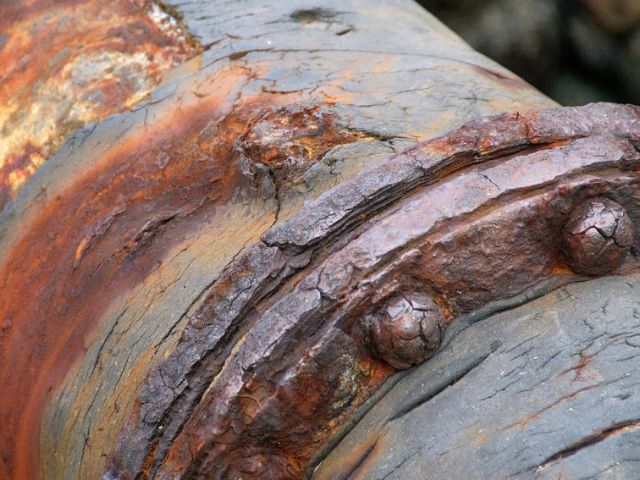
    The modern world would be a very different place without vast underground networks of pipes that transport oil, gas, water, and other chemicals to homes and buildings. Pipes made from materials like copper, cast iron, aluminum, and carbon steel are vulnerable to harmful corrosion over time. To keep your pipeline in safe working condition, learn about the most common types of pipeline corrosion and what you can do to prevent them.

    Uniform Corrosion

    As the name implies, uniform pipe corrosion manifests as consistent loss of material and thinning along the pipe’s surface. This type of corrosion is measured in millimeters per year.

    Prevent uniform corrosion along your pipeline by choosing suitably thick piping materials and using paints or metallic coatings to thicken the pipe walls.

    Galvanic Corrosion

    When you electrically connect two pipes made of materials with different corrosion potentials, the pipe acting as the anode will deteriorate more quickly than the cathode pipe. This process is called galvanic corrosion.

    Avoid this galvanic reaction by choosing piping materials that are closer to one another in corrosion potential.

    Pitting

    Do you notice cavities or pits forming on a specific part of your pipeline? Pitting often occurs on pipes that are routinely exposed to chloride chemicals, or on pipes that already had manufacturing defects.

    Luckily, you can prevent pitting on your pipeline with cathodic protection, which means turning the corrosive material into the cathodic end of an electrochemical cell. Every two to four years, have your cathodic protection system tested for efficiency.

    Crevice Corrosion

    Do your pipe joints and other crevices deteriorate more quickly than the rest of your pipeline? Those nooks and crannies don’t get as much oxygen, and the areas without oxygen become the anode portion of an electrochemical cell, resulting in corrosion to those crevices.

    Instead of riveting your joints, weld them together. This process will help prevent future crevice and joint corrosion.

    Keep your pipeline in good health so it can continue to deliver oil, gas, water, or other chemicals to the right destinations. When you know more about the different types of pipeline corrosion, you can take appropriate action to prevent them.

  • Top 3 Ways To Lower the Energy Bill in Your Home

    Top 3 Ways To Lower the Energy Bill in Your Home

    You can lower the energy bill in your home in several ways. Some popular ones are taking shorter showers or turning off the lights when you leave the home. These are all excellent measures you can take, and we’ve dived into them below, but a few major options are more arcane. Check out our top three ways to lower the energy bill in your home.

    Get Energy Star Appliances

    Energy Star appliances are sure to save you a ton of money. They also save you quite a bit of energy. Luckily, most major appliances manufactured these days, from washers to refrigerators, are all Energy Star certified. Energy Star certification is important because your appliances would use much more energy without it. For instance, you’d be surprised to learn how much energy your dryer uses per year without this certification. Because of this, it’s imperative to get as many Energy Star appliances in your home as possible. Those small energy savings add up quickly. So check for that label before you purchase—it’ll positively impact your wallet in the long run.

    Check the Seals on Your Doors and Windows

    Air leaks are some of the worse culprits of excessive energy consumption. If hot or cold air is seeping out of your home, your HVAC system has to work harder to create an equilibrium for the temperature of your choice. This means it expends more energy in the long run, which puts quite a dent in your wallet. Whether you reseal your windows or the bottoms of your doors, you’ll feel much more comfortable in your home if you check and repair the seals if needed. A house isn’t a home if you aren’t comfortable, and your wallet will thank you for your efforts. That’s why resealing is a great way to lower the energy bill in your home.

    Leverage Smart Technology

    The idea of using smart technology to help you save money might make you see dollar signs. However, many inexpensive ways to use this technology will save you money in the long run without the high price tag. For instance, smart plugs cost between $20 to $40. You can fit them between an existing outlet and an appliance, creating a smart switch that you can use to turn that appliance on and off whenever you want. If you drink coffee only in the morning, program your plug to make the coffee maker turn on at 9 a.m. and off at noon. This will save you money in the long run. If you use these tips, you’ll notice a substantial difference in the size of your energy bill.