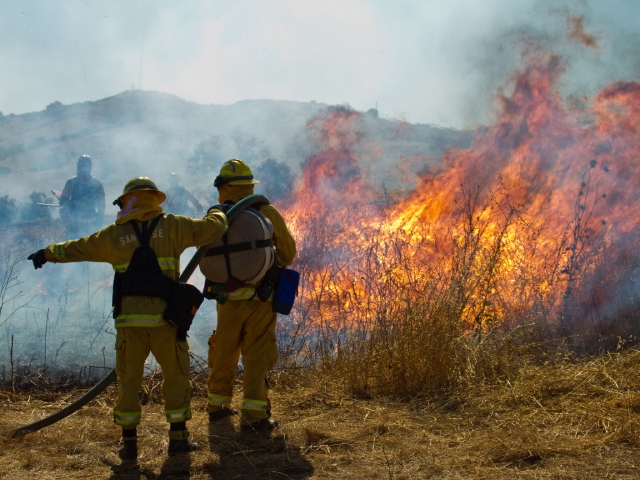
As wildfires become more common, there’s a greater need for more firefighters. If you’re considering wildfire fighting as a career, it’s best to have all of the information about what the job demands as well as several misconceptions surrounding the profession. Here are four common myths about wildland firefighting debunked.
Myth 1: Wildland Firefighting Is Just Like Structural Firefighting
When most people think about firefighting, they imagine city firefighters called, “structural firefighters.” It’s true that both jobs involve putting out flames, but the environments and techniques significantly differ.
Wildland firefighters work in remote areas to cover rugged terrain that’s far from urban settings. Wildfires can become aggressive very quickly, so wildland firefighters must use specialized techniques like digging firebreaks to stop the flames.
Myth 2: You Don’t Need Specialized Training or Testing
All firefighters pass physical fitness tests, but wildland firefighters must conduct thorough training beforehand. The training features wildland-specific skills, such as traveling several miles with a heavy backpack in a set time. Overall, wildland firefighters are well-trained and regularly update their skills to stay abreast of fire-fighting techniques.
Myth 3: It’s All About Fighting Fires
Wildland firefighters have many responsibilities beyond extinguishing fires. Fire suppression is a key part of the job, but wildland firefighters also engage in preventive measures, monitoring areas for potential fire conditions and altering them to prevent potential blazes.
They also act as stewards to the land, performing post-fire recovery tasks including monitoring plant growth, preventing soil erosion, and engaging the public in fire prevention education. Understanding the ecosystem and how to protect it is crucial to the job.
Myth 4: You Can’t Create a Career in Wildland Firefighting
Many wildland firefighters are volunteers, but many people turn this profession into a long-term career. Wildfires have their peak seasons—particularly during summer or during long, dry periods—but wildfires occur year-round. Therefore, there’s a constant need for new people to learn the qualifications of wildland firefighters and begin their careers.
Wildland firefighting offers various career paths, including entry-level positions, management roles, training education, and policymaking. Although finding the right position might be initially challenging, those who do lock down the job find their profession as a wildland firefighter a rewarding position.
Don’t let the common myths about wildland firefighting stop you. If you’re interested in this career, understanding the truth behind these misconceptions will help you appreciate the true nature of wildland firefighting and ignite a passion for the job.
Leave a Reply