Category: Education

  • Tips for Helping Your Students Learn More Efficiently

    Tips for Helping Your Students Learn More Efficiently

    As an educator, it is your responsibility to guide your students in learning. With the growing integration of technology in education, there are now many tools and techniques at your disposal to help you enrich your students’ learning experiences. These techniques will help your students learn more efficiently so they can absorb information and apply it meaningfully.

    Practice Active Learning

    The traditional method of passive lecturing, where students simply listen to the educator, has increasingly been shown to be less effective than lesson plans using active learning strategies. Active learning requires students to participate, making the learning process more engaging.

    Encourage your students to immerse themselves in class discussions, group activities, and hands-on exercises. These exercises keep students’ attention and enable them to retain information more effectively. By actively engaging with the material, students are more likely to develop a deeper understanding of the subject matter.

    Use Simulations

    Simulation-based learning has become increasingly popular in fields like medicine. You can incorporate simulations in your teaching to create an immersive learning environment. For example, if you’re a medical professor, it’s important you and your students work with patient simulators.

    You must understand your goals when choosing a patient simulator so you can get one that helps your students apply practical knowledge in real-world scenarios. Hands-on experience bridges the gap between theoretical knowledge and practical applications for students.

    Provide Feedback Regularly

    Constructive feedback is a crucial component of student learning and improvement. Provide timely, specific, and constructive feedback on assignments, tests, and class participation. Feedback helps students identify areas of improvement and motivates them to strive for better performance. It is equally important to recognize and praise students’ strengths and accomplishments, as this can boost confidence and encourage continued effort in their learning journey.

    Emphasize Real-World Relevance

    Students are more motivated to learn when they can see the practical applications of what you’re teaching them. Emphasize the real-world relevance of the topics you cover in class, providing examples of how they can apply these concepts in various scenarios. When you demonstrate how students can use knowledge to solve real-world problems, you empower them to see the value in their education and inspire them to apply knowledge beyond the classroom.

    When you implement these tips, you can create a more efficient and engaging learning environment for students. It’s important to help your students learn more efficiently, and with these changes, that can be easy. However, it’s important to remain open-minded and flexible, as each student is unique and may respond differently to various teaching methods. With dedication, creativity, and genuine effort, you can help your students reach their full potential.

  • How To Diagnose Common Diesel Engine Problems Like a Pro

    How To Diagnose Common Diesel Engine Problems Like a Pro

    If you own a diesel engine, you already know they’re famous for their durability and fuel efficiency. But like any other mechanical apparatus, they may encounter issues here and there. Learning how to recognize potential and current problems helps stave off big repair and replacement bills and even engine failure. Become a diesel doctor and learn how to diagnose common diesel engine problems like a pro! Here are a few tips to keep in mind.

    Always Check for Fuel System Issues

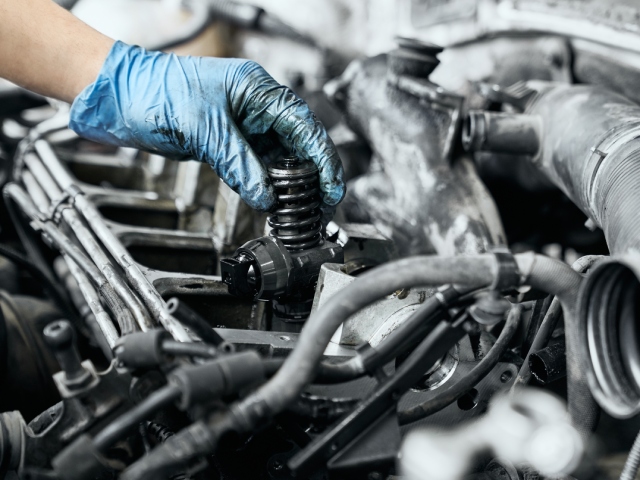
    Familiarize yourself with your fuel system—most diesel issues stem from that part of the vehicle. Typical symptoms include difficulty starting the engine, power loss, and unusual noises under the hood. Diagnose fuel system issues by periodically inspecting and replacing the fuel filters to ensure better fuel delivery. Mind the fuel lines too, watching for leaks, cracks, blockages, and other problems. Faulty fuel lines prevent fuel from reaching the engine or allow air into the system, impeding performance. Test the fuel injectors as well. When they fail, they cause misfires and induce rough idling. Overall, listen for unusual diesel engine noises; your engine may be trying to tell you something.

    Monitor the Exhaust System

    The exhaust system plays a crucial role in the performance of a diesel engine, bringing in air and getting rid of the exhaust afterward. Problems in this area lead to reduced power and increased emissions. Always inspect the exhaust manifold. Cracks and leaks will result in loss of power and extra noise (and not the good kind). Check the turbocharger as well. When it fails, it’ll let you know through poor acceleration and excessive smoke and whining noises. Make sure your diesel particulate filter remains unclogged. Otherwise, temperatures will rise in your engine to dangerous levels, leading to engine failure.

    Assess the Cooling System

    Is your engine keeping its cool? Diesel engines usually run hot, but overheating is a frequent problem that may lead to severe damage. Diagnose cooling system issues by looking at the radiator, scanning it for leaks, cracks, corrosion, and blockages. Check the cap! If it seems loose or poorly adjusted, it could be causing pressure issues. Naturally, periodically flush the radiator and maintain consistent coolant levels throughout the year, no matter the weather. Keeping things cool reduces the likelihood of engine failure.

    Evaluate the Air Intake System

    How are your filters? Be sure to regularly change the filters to ensure only clean air enters the engine. “Bad air” leads to reduced power and efficiency. Beyond changing the filters, inspect the intake manifold for leaks and blockages. Test the mass air flow sensor as well, making sure it’s functioning normally.

    That’s how to diagnose common diesel engine problems like a pro! Naturally, if you lack the tools and skills to make a proper assessment of a malfunctioning engine, take it to a real pro—a qualified mechanic! Catching little problems before they turn into big ones ensures your ride enjoys a long and happy life. Keep on trucking!

  • 4 Common Myths About Wildland Firefighting Debunked

    4 Common Myths About Wildland Firefighting Debunked

    As wildfires become more common, there’s a greater need for more firefighters. If you’re considering wildfire fighting as a career, it’s best to have all of the information about what the job demands as well as several misconceptions surrounding the profession. Here are four common myths about wildland firefighting debunked.

    Myth 1: Wildland Firefighting Is Just Like Structural Firefighting

    When most people think about firefighting, they imagine city firefighters called, “structural firefighters.” It’s true that both jobs involve putting out flames, but the environments and techniques significantly differ.

    Wildland firefighters work in remote areas to cover rugged terrain that’s far from urban settings. Wildfires can become aggressive very quickly, so wildland firefighters must use specialized techniques like digging firebreaks to stop the flames.

    Myth 2: You Don’t Need Specialized Training or Testing

    All firefighters pass physical fitness tests, but wildland firefighters must conduct thorough training beforehand. The training features wildland-specific skills, such as traveling several miles with a heavy backpack in a set time. Overall, wildland firefighters are well-trained and regularly update their skills to stay abreast of fire-fighting techniques.

    Myth 3: It’s All About Fighting Fires

    Wildland firefighters have many responsibilities beyond extinguishing fires. Fire suppression is a key part of the job, but wildland firefighters also engage in preventive measures, monitoring areas for potential fire conditions and altering them to prevent potential blazes.

    They also act as stewards to the land, performing post-fire recovery tasks including monitoring plant growth, preventing soil erosion, and engaging the public in fire prevention education. Understanding the ecosystem and how to protect it is crucial to the job.

    Myth 4: You Can’t Create a Career in Wildland Firefighting

    Many wildland firefighters are volunteers, but many people turn this profession into a long-term career. Wildfires have their peak seasons—particularly during summer or during long, dry periods—but wildfires occur year-round. Therefore, there’s a constant need for new people to learn the qualifications of wildland firefighters and begin their careers.

    Wildland firefighting offers various career paths, including entry-level positions, management roles, training education, and policymaking. Although finding the right position might be initially challenging, those who do lock down the job find their profession as a wildland firefighter a rewarding position.

    Don’t let the common myths about wildland firefighting stop you. If you’re interested in this career, understanding the truth behind these misconceptions will help you appreciate the true nature of wildland firefighting and ignite a passion for the job.

  • Tips for Starting a New Part of Your Life

    Tips for Starting a New Part of Your Life

    Starting a new part of your life can be both exciting and daunting. Whether you are starting a new job, moving to a new city, or embarking on a new adventure, you may feel overwhelmed and unsure of how to navigate these changes. However, instead of being scared, you can listen to these tips for starting a new part of your life and make your next transition successful!

    Staying Positive

    Starting a new part of your life can be challenging, but maintaining a positive attitude throughout the process is key. Focus on the good aspects of this new chapter and remind yourself why you chose to embark on this journey in the first place. When faced with obstacles or setbacks, try to view them as learning experiences rather than failures. A positive mindset will help you stay resilient and motivated during this transition.

    Downsize Your Belongings

    One of the first steps to starting a new part of your life is to downsize your belongings. This may seem like a trivial task, but it can actually have a significant impact on how smoothly you transition into this new phase. This step is especially important if you’re moving into a tiny home. A big way to prepare for tiny home living is to greatly downsize your belongings and reduce the clutter in your life, but this strategy is also great for any other change in your life. Decluttering and downsizing allows you to let go of the past and make room for the new.

    Setting Achievable Goals

    Another important tip for starting a new part of your life is to set achievable goals. These can be short-term or long-term, but they should be specific, measurable, and realistic. Having clear goals in mind will give you direction and purpose in this new phase. It will also help you track your progress and celebrate your achievements along the way. Writing down your goals and revisiting them periodically is one great to make this transition in your life easy.

    Taking Care of Yourself

    When you’re starting a new part of your life, you also need to step back and remember to take care of yourself. Starting something new can be physically, mentally, and emotionally draining. Prioritize self-care during this time. Make sure to get enough rest, eat well, exercise, and take breaks when needed. Remember that taking care of yourself is not selfish but necessary for your well-being. It will also help you stay energized and focused as you embark on this new journey.

    Starting a new part of your life can be scary, but it’s also an opportunity for growth and new experiences. When you follow these tips, you will be better equipped to handle this transition successfully. Remember to stay focused on your goals, and don’t be afraid to ask for help when needed.

  • Best Tips for Safely Welding Out of Position

    Best Tips for Safely Welding Out of Position

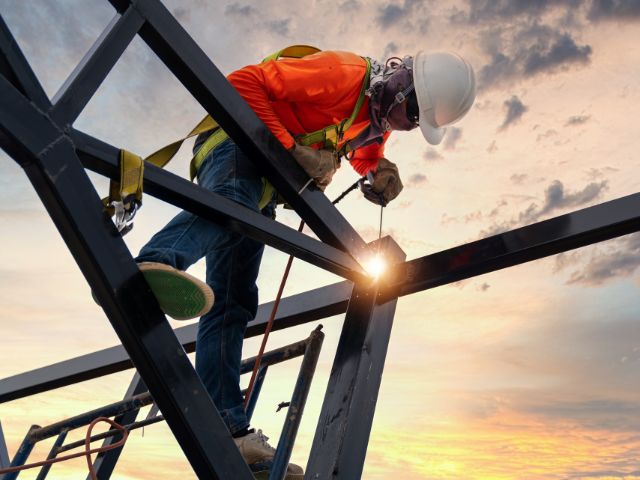
    It’s no secret that welding involves a lot of tough physical labor. You have to hold very still and focus on small points, often bending over in uncomfortable positions. Occasionally, you may even have to weld above your head or along a vertical surface—both of these are known as out-of-position welds. Discover the best tips for safely welding out of position.

    Wear Earplugs

    Safety gear is always important when you’re welding. You need to protect your eyes from splatters and harmful light wavelengths. You should also wear long sleeves, thick pants, and gloves to keep your skin safe. However, when you’re welding out of position, there’s one more consideration—your ears. When splatters occur during overhead welding, the liquid metal can fall into your ears. Therefore, you should always wear ear protection while out-of-position welding.

    Watch Your Travel Speed

    One of the most challenging things about welding out of position is that you’re often working against gravity. If you have too much liquid in your welding bead, it may drip down the side of your workpiece or even down onto you. Maintaining an efficient travel speed is vital in preventing this from happening because it helps keep the weld bead small.

    Increase Shielding Gas Flow

    Shielding gas prevents atmospheric gases from contaminating your weld. However, most shielding gases are lighter than oxygen, so they naturally move upward. When you’re working out of position, you may need to increase the flow of your shielding gas to keep constant protection on your weld site.

    How do you know if you need to prepare more shielding gas in advance? You can check the welding position code to determine if you are using one of the main welding positions and whether that particular weld is out of position.

    Make Multiple Passes

    In welding, a pass is a single attempt. For welding out of position, many welders find it convenient to make multiple passes, slowly building up the weld to the necessary strength. When you’re making multiple passes, you don’t have to worry about trying to fill the entire gap in one go, which helps keep the weld bead smaller and less likely to drip.

    We hope these top tips for safely welding out of position are helpful next time you have an out-of-position welding job. Remember to practice your technique, and don’t be afraid to ask other welders for assistance.

  • 4 Ways You Can Avoid a Failure of Your Piping System

    4 Ways You Can Avoid a Failure of Your Piping System

    When a pipe bursts in your building, it can be a disaster. Not only do you have to deal with fluid leakage but also the fact that the failure may have damaged your structure. If you want to prevent such a catastrophe, here are four ways you can avoid a piping system failure.

    Inspect Your Pipes for Rust

    One way to avoid pipe failure is by regularly inspecting your pipes. Watch out for any rust that can damage your system. This is important because rust and corrosion are some of the signs that it’s time to replace your expansion joints. Expansion joints are key to helping your pipes deal with stress and endure expansions and contractions.

    Don’t Wait To Address Issues

    Another way you can avoid a piping system failure is to address all problems early on. If you encounter an issue like a leak, it is best to fix it or have it fixed immediately. Otherwise, you may risk the issue spreading to the rest of your plumbing system, which will cost you more and likely do more damage to your property, resulting in more expensive repairs.

    Upgrade Your System Regularly

    If the piping system in your building is older, it may be time to upgrade and switch it out with new products. The older pipes may be operating fine now, but nothing lasts forever. Older piping systems can cost more money because they will eventually age and require maintenance.

    Get Your Pipes Insulated

    You also can protect your piping system by having your pipes insulated. When you insulate cold pipes, you protect them from freezing and forming condensation on the outside, leading to corrosion. Insulation also benefits hot pipes since it helps the water stay as warm as possible and prevents them from losing heat.

    When you take these measures, you will help prevent your building from experiencing pipe failure. You will not only be making a wise investment in protecting your pipes but also in the welfare of your building.

  • 4 Signs That an Online Company Is Actually a Scam

    4 Signs That an Online Company Is Actually a Scam

    With so many businesses operating entirely online, it’s more important than ever to be able to spot a scam. After all, it’s easy for scammers to create fake websites and email addresses that look legitimate. Whether you’re just looking for something to buy or need something for your business, scammers are always lurking. We’ll look at some of the signs that an online company is actually a scam. If you see any of these red flags, proceed with caution before doing business with that company.

    The Company Asks for Personal Information

    If an online company is asking for personal information like your Social Security number, credit card number, or bank account information, be wary. Especially if the company asks for this information before you’ve even had a chance to learn anything about them, it’s a good sign to stay away from them. Legitimate companies will never ask for this type of sensitive information up front; they’ll only ask for it after you’ve decided you want to do business with them.

    Their Website Is Unprofessional

    When you visit the website of a legitimate company, it should look professional and well designed. If the website looks like it was made extremely quickly using a free template, that’s a sign that the company might not be legitimate. Also, be on the lookout for misspellings and grammatical errors, as these are red flags indicating a website made in a hurry.

    The Company Uses High-Pressure Sales Tactics

    If an online company is pressuring you to make a purchase right away without giving you time to think about it, that’s another sign that they might not be legitimate. Legitimate companies understand that buying decisions take time, and they won’t try to rush you into anything. Another sign that an online company is a scam is if they’re very aggressive with emails after you’ve visited them once.

    Their Offerings Are Too Good To Be True

    You might find a website that offers some incredible deal that you’ve never seen before. Maybe your business wants to put up more products on a marketplace, and you find extremely cheap barcodes for sale somewhere. Maybe you’re looking for an expensive brand-name article of clothing, and you find it for way cheaper than its original price. In both cases, you’re likely dealing with a scammer who wants to lure in victims with promises they can’t keep.

    Once you know what to look for, online scams will start to stick out like sore thumbs. Keep a vigilant eye out for these red flags, and you’ll avoid a costly situation later on.

  • Things You Should Know Before Organizing a Fundraiser

    For most sports and after-school programs, fundraising is a big deal. While the school gives money to all its programs, it’s usually not enough, so teachers and coaches must turn to other funding methods, such as fundraising. If you’re preparing to organize a fundraiser for your team or group, here are some things you should know before you begin.

    Pick a Fundraiser Type That Benefits Everyone

    The first thing you need to do is decide on the type of fundraiser you want to run. A sales fundraiser is one of the most popular due to its effectiveness. However, it takes up a lot of time for your players and students since they must go out and sell in their free time. Between practice, homework, and general relaxation, this doesn’t leave much time for them to do so.

    That’s why more people have turned to event-based fundraisers and crowdfunding. While events require a great deal of planning, they only take away a day of your students’ and players’ time. On the other side of things, crowdfunding takes up virtually no time at all. Sure, your supporters don’t receive anything in return for their donations, but this format has seen much success in recent years.

    Ask Others for Help

    Even though you’re the fundraiser organizer, that doesn’t mean you can’t ask others for help. Whether you reach out to other coaches, teachers, or even parents, having assistants you can delegate work to and ask for advice will help things run much smoother. If you can’t find anyone else to help you, pick a fundraising format requiring less initial planning to help ease the workload.

    Accept That Mistakes Will Happen

    While a flawless fundraiser is possible, it’s better to prepare to run into some speed bumps along the way. If you go in with that mentality, you’ll be much more equipped to handle the issues that pop up and fix them before they worsen.

    Of course, that doesn’t mean you should go in with a completely relaxed attitude. Most problems that occur will rest on your shoulders. Fortunately, knowing the most common school fundraiser mistakes beforehand will make them much easier to avoid as you go. Just be sure not to get too overconfident.

    Time Constraints Are Important

    The main thing you should know about organizing a fundraiser that makes the planning and execution so stressful is the time constraints that come with them. Because of that, some organizers extend or even remove them. However, that’s a terrible idea because they’re vital to the fundraiser running properly.

    Time constraints inspire your players and students to get out there and do what they need to do. On top of that, if potential donors know that there’s a time limit, they’ll be more likely to buy something or give money. Once it’s all said and done, you’ll be glad you kept the fundraising period short.


  • 5 Signs It’s Time To Upgrade to a New Phone

    Many of us want to hold onto our phones for as long as possible to get the absolute best value from them. But if your phone does any of the things listed below, that’s a clear sign it’s time to upgrade to something new.

    The Battery Is Weak

    Typically, the battery is one of the first things that goes on an old smartphone. All smartphone batteries decline in functionality over time. It’s just a natural part of a smartphone’s lifespan, as the chemicals within the battery gradually decay and can’t hold a charge.

    If your smartphone’s battery quickly drops when it’s off the charger and takes a long time to charge again, that’s a sure sign it’s time to upgrade to a new phone.

    The Phone Has Screen Damage

    Are you one of those people with a giant crack running down your smartphone’s touchscreen? You may have become so used to it that you don’t notice anymore, but your phone sure does!

    A smartphone can only take so much screen damage before malfunctioning in more noticeable and frustrating ways. For instance, it may not respond to touch commands and flicker on and off. You can replace the touchscreen, but doing so is often almost as expensive as replacing the phone itself. As a result, investing in a brand-new phone makes more sense financially.

    Pro-Tip: If you drop and fumble with your smartphone a lot, invest in a durable phone case and screen protector for your new one!

    Calls Keep Dropping

    Does your phone constantly cut out during a phone conversation even when it says it has a full network and clear signal? This is another problem that arises when smartphones age and can come from various internal hardware issues.

    For example, it could be an electromagnetic interference problem, which means the EMI shielding that protects your cell phone isn’t working as it should. Whatever it is, there’s not much use in owning a phone that can’t make calls.

    You Can’t Install the Latest Operating System

    Does your smartphone say it needs to upgrade to the latest software or operating system but can’t or warns that it’s incompatible? If it’s an old phone, it’s likely because it doesn’t have the hardware to support the latest operating system.

    There’s no fix for a phone that doesn’t have the necessary hardware, so if you want to upgrade to an operating system that’s faster and more effective, you’ll have to do so with a new, compatible smartphone.

    Apps Crash Frequently

    Another common symptom of an old smartphone is its apps frequently crashing for no discernible reason. Sometimes, the apps come back immediately. At other times, you need to uninstall and reinstall them to get them to work again.

    This problem is similar to the operating system issue. For one, the app may require the latest update that your phone can’t install. Or it could be that your smartphone doesn’t have enough RAM capacity, which is where the phone stores data for operating apps.

  • Do sharks have bones?

    Do sharks have bones?

    Sharks are a number of the most infamous and feared predators within the world, observed in every ocean and some rivers.  They’re regularly referred to as “living fossils” as they have got roamed the oceans for more than four hundred million years, meaning they were even around before the dinosaurs.  however, despite how long they’ve been around there’s nonetheless extra to study them.  There’s one query that often comes up when we’re discussing sharks, and that is whether they’ve bones or now not.  truly something as effective and ferocious as a shark needs to have bones even though?  join us as we study all approximately sharks and discover whether or not they Do sharks have bones?


    Do sharks have bones?

    Many animals have a skeleton that is made from bone and it gives their body form and offers them energy.  So, considering that sharks are one of the maximum effective predators within the ocean and have a splendid chew force, it would be clean to expect that they ought to have difficult bones.  but, sharks are from the elegance Chondrichthyes which means “cartilage fish”, rather than Osteichthyes are bony fish.  they are additionally from the subclass Elasmobranchii which incorporates all sharks, rays, skates, and sawfish.  As sharks are cartilaginous fish they have got a skeleton this is crafted from cartilage rather than bone.  In reality, they don’t have an unmarried bone of their bodies!

    Cartilage is tissue that is softer and greater bendy than bone.  but, even though sharks have a cartilaginous skeleton miles are still tough and do exactly the identical task that a skeleton crafted from bone does.  It gives their bodies shape and structure and protects their organs.

    Did you know! #Sharks have their skeleton made of cartilage, instead of bones..#k12 | Shark, Whale shark, Fish pet

    What are the benefits of a Cartilaginous Skeleton?

    Having a flexible skeleton lets sharks open their mouth further and exert a more bite force

    Having a skeleton this is crafted from cartilage as opposed to bone is an excellent advantage to sharks and is one of the reasons that they may be such capable and powerful predators.  Cartilage is a whole lot lighter than bone that’s important due to the fact sharks don’t have a swim bladder.  rather, they need to depend on their massive oil-crammed liver to offer them buoyancy.  consequently, a simply heavy skeleton might be a major disadvantage to them.  also, as cartilage is plenty extra bendy than bone it additionally allows sharks to swim fast and make brief turns after they’re chasing prey.

    some other benefit of getting a cartilaginous skeleton is that it lets in the shark’s jaw to be an awful lot greater flexibility.  which means that they are capable of opening their mouths plenty wider than they might if they had a jaw crafted from bone.  As they could open their mouths wider they’re able to exert an awful lot of extra downward force in their chew.  this is why sharks have a number of the best chunk forces around and makes them some of the most savage predators in the ocean. but, sharks’ snouts are crafted from especially tender and bendy cartilage.  because of this their snout can act as a bumper and can absorb heavy blows without struggling a lot of harm.
    Do Sharks Have Bones? Surprising Answers & More Information Inside

    How are Sharks Vertebrates then?

    Sharks are classed as vertebrates, which means that they have got a spine. but how can they have got a backbone if they don’t have bones?  The fact is that an animal doesn’t should have a spine made from bone to be a vertebrate.  Sharks have a spinal column this is crafted from cartilage much like the relaxation of their skeleton.  It protects their spinal wire precisely in an equal manner that one crafted from bone does.  that is due to the fact the cartilage that makes up the spinal column of the shark is calcified. because the cartilage is calcified it is difficult sufficient to offer vital protection to the spinal wire.


    Did ancient do Sharks have Bones?

    As we’ve already referred to, sharks had been around for a genuinely long term, and at that point, they’ve evolved an exquisite deal.  however, did prehistoric sharks additionally have cartilaginous skeletons, or did they truly have bones?  the important thing to coming across the answer is to study the fossil document.  The earliest fossil report of sharks is a few scales that date returned to 450 million years ago.  Then there are a few shark teeth from 410 million years in the past.  All of the manner via the fossil file it’s only shark tooth, dermal denticles, and vertebral centra (dorsal fins) – no bones.  therefore, as there are no fossilized shark bones found it’s quite secure to mention that every one shark – or even their earliest ancestors – has had cartilaginous skeletons in preference to bones.

    Cartilage doesn’t fossilize nicely due to the fact it is a whole lot softer than bone and breaks down quickly.  but, some cartilage (which includes parts of the jaw, vertebrae, and dorsal fin) are calcified which makes them an awful lot harder.  As this cartilage is a great deal harder it can be fossilized, even though it is still discovered best very not often.

    Shark teeth are a part of sharks that are most typically fossilized.  apart from it being due to the fact they’re the toughest part of a shark (made from dentin that’s more difficult than bone), it’s also because there are so lots of them.  Sharks usually simply update misplaced or worn down enamel – the vintage best drop out and new ones take their place.  which means full-size, tremendous numbers of shark teeth have dropped to the ocean ground over millions of years. This substantially increases the risk of them ending up fossilized in comparison with the dermal denticles and dorsal fins.


    How many bones does a shark have?

    The apparent solution to that is, of direction, none. We’ve already installed that sharks don’t have any actual bones.

    the quantity of cartilage would be tough to count since it’s truly connective tissue. So answering how plenty cartilage is in a shark is difficult to do.

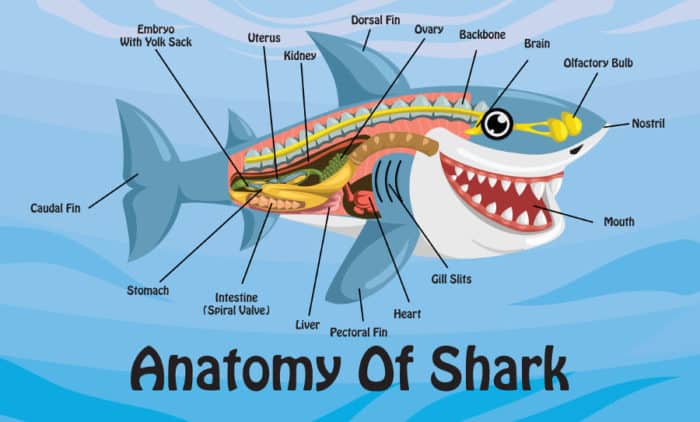
    but, it’s less complicated to answer wherein a shark has cartilage to affect how much of the supple substance there is. You’ll discover cartilage in a shark’s backbone, fins, head, and jaw.

    So, large sharks can have extra cartilage than smaller species definitely because they have bigger bodies to fill.

    amusing truth: Sharks haven’t any rib cages, now not even ones made from cartilage. So if you decided to hug a shark (which isn’t always recommended) it would sense surprisingly squishy. this will also make living out of the water extremely uncomfortable for sharks.


    Why don’t sharks have bones?

    There might not be a specific purpose why sharks have a boneless skeleton. there’s a notion that hundreds of years ago, the ancestors of the modern shark did have bones.

    Many scientists consider that sharks have in view that advanced to have cartilage skeletons in preference to dense bone vertebrae.

    over the years, the various shark species evolved to a better life in their habitats. This, it seems, resulted in them becoming cartilaginous fish instead.

    This evolution in all likelihood performed a huge element in sharks turning into the scary predators that they’re today. without their lightweight, flexible skeletons, they wouldn’t be able to prevent their very own predators as speedy.

    Nor might they be such speedy swimmers, or be able to trap their prey as fast and seamlessly as they do.


    Do Sharks Have Skeletons?

    It may seem confusing, but even though sharks have a lack bone, their bodies do have skeletons.

    A shark skeleton is a bit different from other vertebrate species. Interestingly, most of a shark’s muscles don’t connect to the skeleton.


    Why do sharks have no bones

    A cool-looking fish with an oversized snout has come to be the most primitive jawed vertebrate to have its genome sequenced. The DNA series of the elephant shark facilitates to explain why sharks have a cartilaginous skeleton and how human beings and other vertebrates advanced received immunity. which are associated with sharks and rays. They patrol the deep waters off southern Australia and New Zealand and use their different snouts to hunt for shellfish buried within the sand. even though elephant sharks are not regarded to attack human beings, they game a seven-centimeter-lengthy spike on their dorsal fin, that is used to shield against predators.

    Six years in the past, scientists singled out C. milii as the first cartilaginous fish to be sequenced because of its exceedingly small genome — about one-0.33 the scale of the human genome. “we have had many genomes for amphibians, for birds, and mammals, however no sharks,” says examine author Byrappa Venkatesh, a comparative-genomics expert on the company for technological know-how, era and research in Singapore.

    Dumbo of the ocean

    Due to the fact, the elephant shark is an early jawed vertebrate and has changed little because bony fishes appeared around 420 million years in the past — making it the slowest-evolving of all regarded vertebrates — it serves as a critical baseline for comparative genomics. “we’re going to use this as a reference for years to come,” Venkatesh says. The genome was posted nowadays in Nature1.

    up to now, scientists have sequenced the genomes of eight bony fish and two jawless vertebrates called lampreys. Sharks, skates, rays, and chimeras stand other than other jawed vertebrates in having a skeleton this is made generally of cartilage rather than bone. although scientists knew what genes had been concerned in bone formation, it wasn’t clear whether sharks had misplaced their bone-forming capacity or just in no way had it in the first place. in the end, sharks do make bone in their teeth and fin spines.

    The collection reveals that participants of this organization are missing an unmarried gene circle of relatives that regulates the manner of turning cartilage into the bone and that a gene duplication event gave rise to the transformation in bony vertebrates. In reality, while the researchers knocked out this kind of equal genes in a zebrafish, it significantly decreased its potential to shape bone.

    John Postlethwait, a developmental biologist at the University of Oregon in Eugene, calls the findings “illuminating”. He research Antarctic icefish (Notothenioidei), which lost the potential to form bone throughout evolution, and could look to peer whether or not they lack the equal genes which are lacking from the elephant shark genome.

    Read More:

    Is a phoenix a real bird?