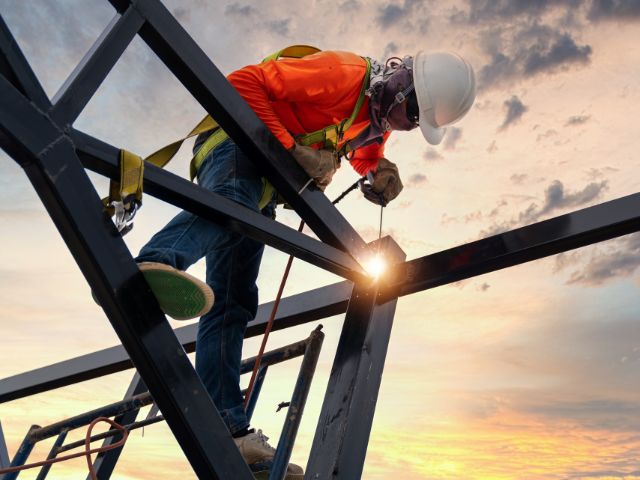
It’s no secret that welding involves a lot of tough physical labor. You have to hold very still and focus on small points, often bending over in uncomfortable positions. Occasionally, you may even have to weld above your head or along a vertical surface—both of these are known as out-of-position welds. Discover the best tips for safely welding out of position.
Wear Earplugs
Safety gear is always important when you’re welding. You need to protect your eyes from splatters and harmful light wavelengths. You should also wear long sleeves, thick pants, and gloves to keep your skin safe. However, when you’re welding out of position, there’s one more consideration—your ears. When splatters occur during overhead welding, the liquid metal can fall into your ears. Therefore, you should always wear ear protection while out-of-position welding.
Watch Your Travel Speed
One of the most challenging things about welding out of position is that you’re often working against gravity. If you have too much liquid in your welding bead, it may drip down the side of your workpiece or even down onto you. Maintaining an efficient travel speed is vital in preventing this from happening because it helps keep the weld bead small.
Increase Shielding Gas Flow
Shielding gas prevents atmospheric gases from contaminating your weld. However, most shielding gases are lighter than oxygen, so they naturally move upward. When you’re working out of position, you may need to increase the flow of your shielding gas to keep constant protection on your weld site.
How do you know if you need to prepare more shielding gas in advance? You can check the welding position code to determine if you are using one of the main welding positions and whether that particular weld is out of position.
Make Multiple Passes
In welding, a pass is a single attempt. For welding out of position, many welders find it convenient to make multiple passes, slowly building up the weld to the necessary strength. When you’re making multiple passes, you don’t have to worry about trying to fill the entire gap in one go, which helps keep the weld bead smaller and less likely to drip.
We hope these top tips for safely welding out of position are helpful next time you have an out-of-position welding job. Remember to practice your technique, and don’t be afraid to ask other welders for assistance.
Leave a Reply