Author: felicia

  • 4 Reasons To Consider an Artificial Lawn

    4 Reasons To Consider an Artificial Lawn

    Artificial lawns have become increasingly popular in recent years, providing an aesthetically pleasing and practical solution for homeowners looking to enhance their outdoor spaces. With advances in technology, artificial grass now looks and feels more natural than ever, offering a range of benefits that can make it an ideal choice for many. Here are four compelling reasons to consider switching to an artificial lawn.

    Low Maintenance Needs

    One of the most appealing aspects of artificial lawns is their minimal maintenance requirements. Unlike natural grass, which requires regular mowing, watering, and fertilizing, artificial turf remains lush and green with little effort. This means you can enjoy a pristine lawn year-round without spending countless hours on upkeep. The savings on water bills and lawn care products are an added bonus, making artificial grass both a time- and cost-effective choice for busy homeowners.

    Water Conservation

    In regions where water scarcity is a concern, artificial lawns provide a sustainable solution by significantly reducing water usage. Traditional lawns require substantial amounts of water to stay healthy, especially during hot summer months. In contrast, artificial grass requires no watering, making it an eco-friendly option that contributes to water conservation efforts. By installing an artificial lawn, you can enjoy a beautiful green space while doing your part to preserve this precious resource.

    Durability and Longevity

    Artificial lawns can withstand heavy use and various weather conditions, ensuring that they remain attractive and functional for many years. High-quality artificial turf contains durable materials that resist fading, tearing, and wear. This makes it an excellent choice for families with children and pets, as it can endure regular foot traffic and playtime without showing signs of damage. Investing in an artificial lawn means enjoying a consistently appealing outdoor area with minimal effort.

    Versatility and Aesthetics

    The versatility of artificial lawns allows you to use them in a variety of settings, from residential yards to commercial spaces and sports fields. Since you can find it in a range of colors and textures, you can customize artificial grass to suit your aesthetic preferences and blend seamlessly with your landscaping. Additionally, it stays green and vibrant throughout the year, providing a consistent and polished look regardless of the season. With proper maintenance tips for artificial turf, such as regular brushing and debris removal, your artificial lawn can maintain its beauty and functionality for years to come.

    Now that you know four reasons to consider an artificial lawn, you can see the many benefits this low-maintenance and eco-friendly option offers. Explore the possibilities and enjoy a lush, green lawn year-round with minimal hassle.

  • The Importance of Industrial Bearings in Manufacturing

    The Importance of Industrial Bearings in Manufacturing

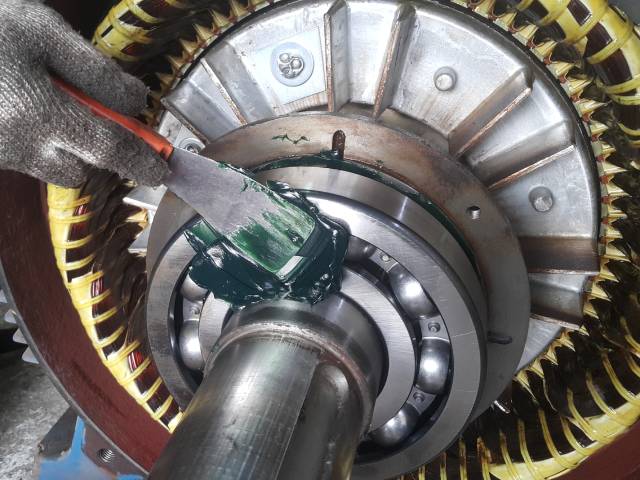
    Industrial bearings play a crucial role in the manufacturing sector, serving as fundamental components that facilitate the smooth operation of machinery and equipment. These precision-engineered parts reduce friction between moving elements, allowing for efficient performance and extended service life of machines. The importance of industrial bearings in manufacturing cannot be overstated, as they directly impact productivity, reliability, and maintenance costs in various industries.

    The Role of Bearings in Manufacturing Processes

    Bearings are essential in various manufacturing processes, as they enable the reliable and efficient movement of components within machinery. By providing support and reducing friction, bearings allow for smooth rotary motion in motors, conveyors, and other equipment, which is critical for maintaining production speeds and accuracy. Furthermore, they aid in load distribution, ensuring that the weight of machinery is handled properly, thus preventing premature wear and tear. In heavy-duty operations, specialized bearings can withstand extreme conditions, including high temperatures and heavy loads, further enhancing operational efficiency. The appropriate choice of bearings directly influences machine performance, downtime, and overall production quality, underscoring their pivotal role in the manufacturing landscape.

    The Benefits of Quality Industrial Bearings

    Quality industrial bearings offer numerous benefits that significantly enhance the performance and longevity of machinery. By minimizing friction and wear, high-quality bearings contribute to improved energy efficiency, allowing machines to operate at optimal levels while consuming less power. This efficiency not only reduces operational costs but also extends the lifespan of equipment, leading to lower maintenance and replacement expenses. Moreover, the reliability of quality bearings plays a critical role in preventing unexpected machine complications, such as industrial electric motor failures and other machine malfunctions.

    Common Complications and Fixes

    Despite their robust design, industrial bearings can encounter various complications that may affect machine performance and operational efficiency. One common issue is misalignment, which can lead to increased friction, noise, and excessive wear. Misalignment can be caused by improper installation or unexpected shifts in machinery. To address this issue, regular inspections and adjustments must be conducted to ensure the bearings are correctly aligned. Additionally, using alignment tools can aid in achieving the precise positioning required for optimal functioning.

    Another frequent complication is contamination, often from dirt, debris, or moisture entering the bearing assembly. Contaminated bearings experience decreased performance and a shortened lifespan due to increased wear and tear. To mitigate this problem, it is essential to implement effective sealing methods and maintain clean work environments. Regular maintenance, including cleaning and lubrication, can also help protect bearings from potential contaminants, ensuring they operate smoothly and efficiently over time. By being proactive about these common issues, manufacturers can maintain high productivity levels and reduce the risk of unexpected downtime.

    Understanding the importance of industrial bearings in manufacturing can help businesses make informed decisions when selecting and maintaining their machinery. Whether a business is looking to optimize their current machinery or planning for future investments, it is crucial for them to select the right bearings for their specific needs.

  • 5 Tips for Getting Your First Product Out the Door

    5 Tips for Getting Your First Product Out the Door

    For small business leaders and entrepreneurs, creating a new idea is thrilling. However, translating your valuable idea into a tangible product can be daunting. If you’re gearing up to introduce your first product to the market, you’ve come to the right place. These five tips for getting your first product out the door will help you have a smooth and successful launch.

    1. Understand Your Market

    Before you even think about manufacturing, you need to know who you’re selling to. Conducting market research can save you time and resources in the long run. Utilize surveys, focus groups, and social media analytics to gather data. This will help you gauge the demand for your product and understand what features are most important to potential customers. The more data you have, the better you can refine your product.

    2. Craft a Solid Business Plan

    A well-thought-out business plan is your roadmap. It outlines your business goals, target market, budget, and marketing strategies. Break your expenses into categories such as production costs, marketing, and distribution. Also, include a buffer for unexpected costs. Establishing a business plan ensures you don’t run out of steam midway through your project.

    3. Create a Prototype

    Making a prototype helps you visualize your product and identify flaws. Understanding the process of prototype development is essential for getting a product off the ground. Use this stage to experiment with different materials and designs, gather feedback from product testers, and make improvements based on their input.

    Collaborate with designers and engineers to ensure your product is functional and aesthetically pleasing. Testing is a crucial phase in product development because it helps you refine your product before it hits the market.

    4. Develop a Marketing Strategy

    Your product might be fantastic, but without a marketing strategy, it won’t reach its full potential. Start by identifying the best channels to reach your target audience. Social media and influencer partnerships are effective for promoting a new product.

    In addition, you can build an email list of potential customers and send regular updates about your product. Offer exclusive discounts or early access to create excitement and encourage sign-ups!

    5. Plan Your Product Launch

    A well-executed product launch can set the stage for your product’s success. Plan a launch event that generates buzz and excitement. This could be a physical event, a virtual launch, or a combination. Make sure to incorporate elements that engage your audience and make them feel part of the experience.

    A detailed timeline ensures everything runs smoothly on launch day. List all the tasks that need completing beforehand, and assign deadlines to keep your team on track.

    Get Ready for a Thrilling Adventure

    Launching your first product is a thrilling adventure filled with challenges and opportunities. With these five tips for getting your first product out the door, you can set yourself up for success.

  • Most Popular Metal Alloys for Industrial Applications

    Most Popular Metal Alloys for Industrial Applications

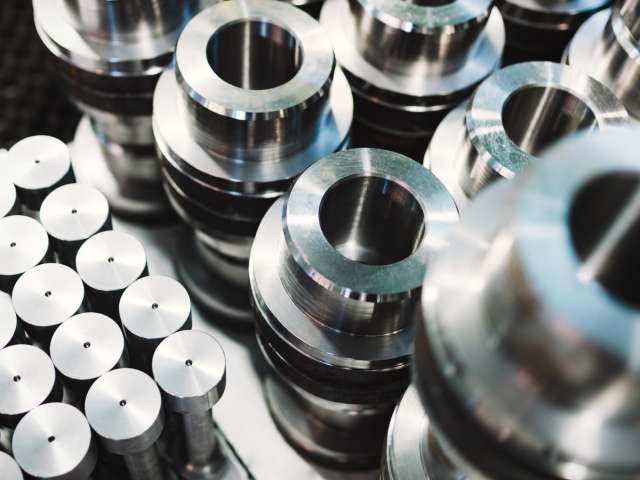
    Metal alloys play a crucial role in modern industrial applications due to their enhanced properties compared to pure metals. These composite materials are designed to improve strength, corrosion resistance, and thermal stability, making them suitable for a wide range of uses across various sectors, including automotive, aerospace, construction, and manufacturing.

    Let’s look at the most popular metal alloys for industrial applications and their unique characteristics.

    Steel

    Steel is undoubtedly the most widely used metal alloy in industrial applications. It is a combination of iron and carbon, with other elements such as chromium, manganese, and nickel added to enhance its properties. The addition of these elements can alter steel’s mechanical properties, making it suitable for different purposes. For example, adding chromium increases corrosion resistance, while adding nickel improves strength and ductility. Due to its versatility and low cost, steel is used in various industries, including construction, transportation, and machinery.

    Aluminum Alloy

    Aluminum alloys are lightweight yet strong materials that are commonly used in aircraft manufacturing due to their high strength-to-weight ratio. These alloys consist of aluminum as the base metal and other elements like copper, zinc, and magnesium to improve their mechanical properties. The addition of these elements also makes aluminum alloys highly corrosion-resistant, making them ideal for outdoor applications. They are versatile materials, and certain ones like aluminum bronze have a role in the renewable energy industry in making components for wind turbines.

    Copper Alloy

    Copper alloys are widely used due to their excellent electrical conductivity and thermal conductivity. These alloys consist of copper as the base metal, with other elements added to enhance their properties further. For example, adding tin results in bronze, which is commonly used in bearings and gears due to its low friction coefficient. Adding nickel creates cupronickel, a corrosion-resistant alloy commonly used in marine applications. Copper alloys have numerous industrial uses, including electrical wiring, plumbing, and electronics.

    Titanium Alloy

    Titanium alloys are among the strongest alloys used in industrial applications. They have a high strength-to-weight ratio, excellent corrosion resistance, and high-temperature stability. These properties make them ideal for applications such as aircraft parts, medical implants, and sporting equipment. The most common titanium alloy is Ti-6Al-4V, consisting of 90 percent titanium and small amounts of aluminum and vanadium. It has excellent mechanical properties while remaining lightweight.

    Nickel-Based Super Alloys

    Nickel-based superalloys are highly specialized materials that can withstand extreme temperatures and corrosive environments, making them ideal for aerospace and power generation applications. They consist of nickel as the base metal, and other elements like cobalt, chromium, and molybdenum are added to create a stable microstructure that can resist high temperatures. These alloys have high strength and resistance to thermal fatigue, making them suitable for gas turbines and jet engine components.

    Metal alloys are essential materials in modern industrial applications due to their enhanced properties compared to pure metals. The most popular metal alloys used in various industries include steel, aluminum alloy, copper alloy, titanium alloy, and nickel-based superalloys. Each of these alloys has unique characteristics that make them suitable for specific purposes. As technology advances, we can expect even more sophisticated metal alloys to emerge, further improving the performance of industrial materials.

  • 5 Errors To Avoid in Your Pharmaceutical Clinical Trial

    5 Errors To Avoid in Your Pharmaceutical Clinical Trial

    Pharmaceutical companies regularly perform clinical trials to avoid the mistake of putting unsafe materials in consumers’ hands. However, errors can also occur in this process, leading to significant setbacks and potentially delaying the arrival of life-saving treatments. You can prevent these by learning the five errors to avoid in your pharmaceutical clinical trial.

    Failing To Plan the Trials Properly

    Effective planning serves as the foundation for any successful clinical trial. When researchers gloss over the planning phase, they risk encountering unforeseen challenges that could compromise the study’s integrity.

    Thorough planning includes defining clear objectives, understanding regulatory requirements, and outlining detailed protocols. Without this groundwork, trials may face delays, budget overruns, and even failure to meet compliance standards, jeopardizing years of research.

    Picking an Ill-Suited Location

    Another error to avoid in your pharmaceutical clinical trial is picking an inappropriate location. This can result in logistical problems, difficulties in patient recruitment, and non-compliance with local regulations.

    It is crucial to select a site with adequate infrastructure, access to necessary equipment, and experienced staff. Additionally, researchers should consider the location’s demographic characteristics to ensure a representative sample population that aligns with the study’s objectives.

    Enlisting the Wrong Number of Participants

    Not recruiting enough participants can skew trial results and affect the study’s credibility. Each phase of the process of clinical trials for API testing requires a certain range of people.

    However, recruiting fewer participants than you need may lead to inconclusive results. Recruiting the right number ensures the study has enough statistical power to detect meaningful outcomes without overextending resources.

    Hiring Inexperienced Employees

    Your research team’s expertise directly influences the quality and reliability of a clinical trial. Hiring inexperienced employees increases the risk of procedural errors, data inconsistencies, and non-compliance with regulatory standards.

    Researchers should invest in recruiting qualified professionals with a proven track record in clinical trials. Continuous training and development programs can also ensure the team remains updated on the latest methodologies and regulatory changes.

    Not Ensuring Everyone Is on the Same Page

    Solid lines of communication are vital for the success of a clinical trial. Without them, you may have employees who are out of sync with your goals and collect and analyze data poorly.

    Prioritize communication to ensure all your employees are on the same page. Proper communication will enhance their level of teamwork and ensure trials run smoothly, minimizing the risk of costly mistakes.

    Avoiding these common errors can significantly enhance the success of your trials. By minimizing these risks, you can pave the way for groundbreaking pharmaceutical advancements.

  • Ways You Can Make Your Mining Operation Cleaner

    Ways You Can Make Your Mining Operation Cleaner

    The world of mining plays a vital role in supporting society and the economy, but in these extractions of valuable resources, mining operations consume a lot of resources. Mining creates a substantial environmental impact, but there are ways you can make your mining operation cleaner. As a responsible miner, it’s your duty to find innovative ways to make your operations more sustainable for future generations.

    Utilize Renewable Energy Sources

    One of the most significant ways to reduce the environmental impact of mining is by transitioning from fossil fuels to cleaner alternatives such as solar, wind, or hydropower. This shift reduces greenhouse gas emissions while also decreasing air and water pollution, contributing to a healthier ecosystem for both wildlife and communities surrounding mining sites. By investing in solar panels or wind turbines at mining locations, operations can harness abundant natural energy, leading to a more sustainable and cost-effective energy model.

    Move From Fossil Fuels to Electrification

    Electrifying mining equipment instead of relying on diesel-powered machinery not only reduces carbon emissions but also decreases noise pollution in surrounding communities. Original equipment manufacturers should know that electrical power is the future of mining, and transitioning to electric vehicles and machinery can also lead to significant cost savings over time, as electricity tends to be cheaper than diesel fuel.

    Focus on Waste Management

    Mining operations generate a considerable amount of waste, including tailings and other byproducts that can cause significant harm to the environment. Thankfully, when you implement effective waste management strategies, such as recycling materials and ensuring responsible disposal, you can minimize the impact on the ecosystem.

    For example, utilizing advanced technologies to process and recycle tailings can not only reduce the overall volume of waste generated but also recover valuable minerals. Additionally, adopting a circular economy approach in mining can lead to a more sustainable practice where waste is a resource, thus reducing the demand for new raw materials.

    Reduce Water Usage

    Water is a precious resource, and mining operations often require large amounts for processing, dust suppression, and various other activities. This use can lead to significant depletion of local water sources, potentially affecting nearby communities and ecosystems. By finding innovative ways to reduce water consumption or utilizing recycled water in operations, you can help conserve this invaluable resource. Techniques like dry processing and water-efficient dust control methods can significantly lower water usage, promoting a more sustainable approach to mining.

    Making your mining operation cleaner may require upfront investments and some major changes to your traditional mining methods, but the long-term benefits far outweigh any initial costs. When you invest in these changes, you’re helping the environment, local communities, and future generations. As responsible miners, it is your responsibility to continuously strive toward more sustainable practices to create a cleaner and greener future for all.

  • Tips for Starting a New Part of Your Life

    Tips for Starting a New Part of Your Life

    Starting a new part of your life can be both exciting and daunting. Whether you are starting a new job, moving to a new city, or embarking on a new adventure, you may feel overwhelmed and unsure of how to navigate these changes. However, instead of being scared, you can listen to these tips for starting a new part of your life and make your next transition successful!

    Staying Positive

    Starting a new part of your life can be challenging, but maintaining a positive attitude throughout the process is key. Focus on the good aspects of this new chapter and remind yourself why you chose to embark on this journey in the first place. When faced with obstacles or setbacks, try to view them as learning experiences rather than failures. A positive mindset will help you stay resilient and motivated during this transition.

    Downsize Your Belongings

    One of the first steps to starting a new part of your life is to downsize your belongings. This may seem like a trivial task, but it can actually have a significant impact on how smoothly you transition into this new phase. This step is especially important if you’re moving into a tiny home. A big way to prepare for tiny home living is to greatly downsize your belongings and reduce the clutter in your life, but this strategy is also great for any other change in your life. Decluttering and downsizing allows you to let go of the past and make room for the new.

    Setting Achievable Goals

    Another important tip for starting a new part of your life is to set achievable goals. These can be short-term or long-term, but they should be specific, measurable, and realistic. Having clear goals in mind will give you direction and purpose in this new phase. It will also help you track your progress and celebrate your achievements along the way. Writing down your goals and revisiting them periodically is one great to make this transition in your life easy.

    Taking Care of Yourself

    When you’re starting a new part of your life, you also need to step back and remember to take care of yourself. Starting something new can be physically, mentally, and emotionally draining. Prioritize self-care during this time. Make sure to get enough rest, eat well, exercise, and take breaks when needed. Remember that taking care of yourself is not selfish but necessary for your well-being. It will also help you stay energized and focused as you embark on this new journey.

    Starting a new part of your life can be scary, but it’s also an opportunity for growth and new experiences. When you follow these tips, you will be better equipped to handle this transition successfully. Remember to stay focused on your goals, and don’t be afraid to ask for help when needed.

  • Upgrades That You Must Consider for Your Truck

    Upgrades That You Must Consider for Your Truck

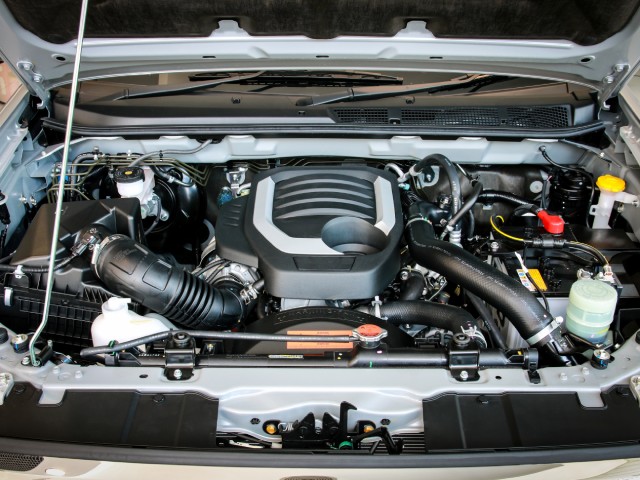
    If you own a truck, then you know how important it is to keep it running smoothly and efficiently. One way to ensure your truck remains in top condition is by regularly upgrading its parts and systems. However, with so many options available, finding the right upgrades isn’t always easy. Thankfully, there are some top upgrades that you must consider for your truck to take your driving experience to the next level.

    Invest in Turbochargers

    One of the most popular upgrades among truck owners is installing a turbocharger. This device forces more air into the engine, resulting in increased power and torque. With a turbocharger, you can experience better acceleration, towing capacity, and overall performance. Additionally, it can improve fuel efficiency, as the engine burns fuel more efficiently. Turbochargers come in different sizes and configurations, so be sure to consult with a professional to find the best fit for your truck.

    Upgrade Your Suspension

    Another crucial upgrade to consider for your truck is upgrading the suspension system. A sturdy suspension can handle heavier loads without compromising stability or comfort while driving on rough terrain. The right suspension upgrades will also improve handling and control, providing a smoother ride, even when towing heavy cargo. Whether you invest in heavy-duty shock absorbers or leaf springs, these upgrades can boost your driving experience while also reducing wear and tear on your truck’s components.

    Performance Tuning

    If you want to enhance your truck’s overall power and fuel efficiency, performance tuning is a must. By reprogramming the engine’s computer, you can optimize its fuel injection, ignition timing, and other parameters to achieve better performance and efficiency. This upgrade helps to increase horsepower, but it can also lead to significant improvements in fuel economy, making your truck more cost-effective. The right performance tuning upgrade can also make acceleration smoother and your engine more responsible, making your driving experience that much more enjoyable.

    Braking System

    One of the best truck upgrades that you should consider is an upgrade for your brake system. Upgrading this part of your truck will increase stopping power while also increasing safety on different terrains and under harsh weather conditions. Look for high-quality brake pads, rotors, and calipers.

    These components can provide more reliable braking performance and offer better resistance to heat. Modern braking systems with features like anti-lock braking systems (ABS) can further enhance safety and control in emergency situations.

    When you consider these upgrades for your truck, you can find the upgrades that are right for you and your specific needs. Whether you want to enhance your truck’s performance, durability, or overall value, there are upgrades for you! Remember to invest in quality parts and keep up with regular maintenance to ensure your upgrades continue to provide long-lasting benefits.

  • Easy Ways To Beautify Your Home’s Exterior

    Easy Ways To Beautify Your Home’s Exterior

    It may interest you to make some changes if you want to give the exterior of your home some extra appeal. You can easily beautify your home’s exterior and make it the envy of the whole neighborhood when you know which changes are right for you and your home. Use this guide to quickly elevate the look of your outdoor space and create a welcoming environment that reflects your style.

    Adding Plants and Flowers

    Incorporating plants and flowers into your landscaping is one of the easiest ways to beautify your home’s exterior. However, not every plant or flower can boost your home’s aesthetics. You must be thoughtful and choose the right mix of colorful blooms and greenery to add texture and dimension to your outdoor space. Additionally, consider planting perennials that will return year after year and mix in some annuals for a seasonal splash of color. Potted plants, hanging baskets, and flower beds are all great options for adding some natural beauty to your home’s exterior.

    Choose the Right Flag Material

    Considering aesthetics and functionality is essential when it comes to choosing flags for your home. Finding something that looks good and can stand the test of time isn’t always easy, but when you understand your different flag material options, it can be! Consider durable vinyl or other weather-resistant fabrics that can simultaneously withstand the harsh elements while adding a touch of personality.

    Manicure Your Lawn

    You’ll want to focus on manicuring your lawn if you want to take your home’s exterior to the next level. Regularly mow, water, and edge your lawn to keep it looking neat and tidy. You should also invest in a quality sprinkler system so your grass and greenery can stay lush and healthy all year round. Regular lawn care, such as aeration and weed control, also enhances your lawn’s appearance while promoting healthy grass growth.

    Update Outdoor Lighting

    Outdoor lighting is another great way you can add a touch of ambiance to your home’s exterior. The right outdoor lighting can boost your home’s security. Install motion sensor lights to deter potential intruders and make it easier to navigate your property at night. Highlight your home’s beauty after dark by uplighting your trees or installing spotlighting architectural features. Also, consider adding string lights or solar-powered path lights to add warmth and illumination to your back patio or front porch.

    With these easy ways to beautify your home’s exterior, you can transform your outdoor space into a welcoming and visually appealing area that gives off a great first impression. Embrace the opportunity to reflect your unique style and make your outdoor spaces as inviting and beautiful as the interior.

  • Tips for Staying Competitive in the Manufacturing Industry

    Tips for Staying Competitive in the Manufacturing Industry

    The manufacturing industry is a key indicator of how well a nation’s production capabilities are evolving. However, as manufacturing technology evolves, production processes streamline, and global markets grow increasingly competitive, it becomes imperative for companies to improve and innovate to stay ahead. Whether you’re a seasoned industry player or a small business owner looking to scale, these tips for staying competitive will fortify your position in the manufacturing industry.

    Master the Art of Lean Manufacturing

    Lean manufacturing principles have transformed how production lines operate, emphasizing efficiency, reduction of waste, and constant improvement. Adopting a lean mindset can revolutionize your operations, from the shop floor to the supply chain.

    Start by identifying areas of waste in your production cycle, such as overproduction, waiting times, or excess inventory. Then, deploy tactics like the 5S framework for organization, Just-In-Time supply chain management to reduce inventory, and poka-yoke methods to prevent errors before they happen.

    Harness Advanced Manufacturing Technologies

    Technological advancements are driving the fourth industrial revolution, and manufacturers must keep up so that they can lead the charge in adopting and adapting to these innovations. Emerging technologies offer a competitive edge, making them a key investment for businesses of all types.

    With advancements in robotics and control systems, smaller businesses can now integrate automation into their production lines, increasing productivity and reducing costs. As FFS machine manufacturers overcome industry hurdles, they can iterate and improve upon their approach to production, further improving competitiveness.

    Focus on Quality Management and Compliance

    Ensuring your products meet strict quality standards is essential for staying competitive in any market. An effective quality management system (QMS) can set you apart from the competition and build trust with your customers.

    Incorporate measures to track non-conformances, perform root cause analyses, and take preventative actions to improve product quality continually. Regulatory standards change frequently, so you must stay up to date with the latest requirements for your products and ensure your QMS is flexible enough to adapt quickly to new standards without disrupting production.

    Innovate With Sustainable Practices

    Sustainability is quickly becoming a decisive factor in consumer choices and industry regulations. Manufacturers who innovate with sustainable practices can find new markets and reduce their environmental impact.

    Invest in energy-efficient machinery and renewable energy sources while considering the full lifecycle of your products, from production to end-of-life. Not only can these practices lower your operational costs, but they can also lead to certifications and preferences from eco-conscious consumers.

    Cultivate a Culture of Innovation

    Lastly, a culture of innovation is the beating heart of any competitive manufacturing firm. Encourage creativity, learning, and constructive risk-taking among your team.

    Set aside time for brainstorming and creative sessions and promote an open-door policy where anyone can share ideas without fear of criticism. You’d be surprised where your next brilliant solution could come from.

    Be Ready To Adapt to Changes

    Staying competitive in the manufacturing industry requires a holistic approach that combines the latest technologies with a focus on people, processes, and sustainability. The key is to stay agile, keep learning, and always be ready to adapt as new challenges and opportunities emerge. The future of manufacturing belongs to those who are willing to innovate and evolve, and with the right approach, that future can be yours.