Author: felicia

  • How To Protect Company Info on Hard Drives

    How To Protect Company Info on Hard Drives

    In today’s digital age, safeguarding sensitive company information has never been more crucial. Business owners often store critical data on hard drives, unaware of the lurking risks and potential breaches. Knowing how to protect company info on hard drives is essential, not only to preserve your business’s integrity but also to maintain your clients’ trust.

    Implement Strong Access Controls

    One of the first lines of defense in protecting your company’s information is to tightly control access to the data. Employ comprehensive access control measures to ensure that only authorized personnel can access certain information. This involves setting up strong, unique passwords, using two-factor authentication where possible, and regularly reviewing who has access to what information. By limiting access, you significantly reduce the risk of internal breaches and unauthorized disclosures of sensitive data.

    Encrypt the Hard Drive

    Encrypting the hard drive is a critical step in enhancing the security of sensitive company information. Encryption transforms the data stored on your hard drives into a format that is unreadable to anyone without the decryption key. This means even if the hard drive falls into the wrong hands, the data remains secure and inaccessible. Most modern operating systems offer built-in tools for full-disk encryption, such as BitLocker for Windows or FileVault for macOS.

    Know How To Properly Dispose of Hard Drives

    When the time comes to dispose of or replace hard drives, simply deleting files or formatting the drive isn’t enough to prevent data from being recovered. To properly protect company info on hard drives, use methods like physical destruction, degaussing, or employing data destruction software that adheres to industry standards. For instance, hard drives are one of the materials you can destroy with a heavy-duty shredder, so take advantage of this complete physical destruction. Ensuring the proper disposal of hard drives protects your company from data breaches long after the drives have served their purpose.

    Educate Your Team on Security Best Practices

    The human element often represents the weakest link in data security, which is why team education is one of the best ways to project digital company information. Educate your employees on the importance of data protection and provide them with training on security best practices. This includes recognizing phishing attempts, the importance of reporting lost or stolen devices immediately, and the secure sharing of sensitive information. A well-informed team is your best defense against security breaches.

    Understanding how to protect company info on hard drives is fundamental for any business owner in the digital age. By implementing strong access controls, maintaining your security software, knowing how to properly dispose of hard drives, and educating your team, you can significantly enhance the security of your company’s sensitive data.


  • Shipping Tips: How To Safely Transport Grains

    Shipping Tips: How To Safely Transport Grains

    Shipping grains, a staple commodity in global agricultural trade, demands meticulous planning and execution to ensure cargo arrives at its destination in top-notch condition. Safe transportation is vital for maintaining the grains’ quality, minimizing loss, and protecting investments. Explore three shipping top tips agricultural businesses can implement to enhance their grain transportation safety and guarantee quality shipments.

    Packaging With Polywoven Bags

    An essential step in preparing grains for shipment is selecting the appropriate packaging. Polywoven grain bags emerge as a superior packaging choice for many reasons.

    These bags are made from high-density polyethylene (HDPE) or polypropylene (PP), offering exceptional strength and durability, which are crucial for withstanding the rigors of transportation. Their material composition also provides moisture, pest, and pollutant resistance. Polywoven bags’ lightweight nature contributes to lower shipping costs, and their recyclability aligns with sustainable shipping practices.

    Investing in Temperature Controlled Storage

    Whether grains are placed in storage or off in transport, proper climate control is essential for preserving grain quality. Grains are highly susceptible to damage from temperature fluctuations, which can lead to the development of harmful toxins and the proliferation of pests and mold.

    Excessive heat can trigger germination, altering the grain’s composition and rendering it unsuitable for consumption or sale. Conversely, extremely low temperatures can cause grains to dry out and crack, compromising their structural integrity. Investing in cargo storage with temperature control, humidity management, and ventilation guarantees enhanced shipment preservation.

    Opting for Air Shipping

    Transportation methods heavily affect the shipping process and cargo safety. Choosing between ocean and air freight can influence shipping timelines, transportation costs, and carbon footprints. Air shipping offers the most significant advantages when it comes to transporting grains.

    Air shipping significantly reduces transit time compared to ocean shipping, ensuring fresher delivery and reducing spoilage risk. Air freight also has fewer delays, providing a reliable schedule essential for supply chain integrity and better-controlled environments for cargo preservation. Despite higher costs, speed, reliability, and product preservation make air shipping an attractive option for grain transport.

    Knowing how to transport grains safely requires a strategic approach to packaging, storage, and transportation. With these shipping tips, agricultural businesses can guarantee their clients top-quality grains.

  • Contingency Plans To Have Before Emergencies

    Contingency Plans To Have Before Emergencies

    Emergencies can come from nowhere, which makes them hard to prepare for. However, you can take steps to minimize the impact of an emergency or disaster by having contingency plans before emergencies. With the right contingency plan, you’ll know what to do in case of a major problem to get yourself on the road to recovery as soon as possible.

    Create an Emergency Communication Plan

    It is paramount to have established communication channels with your family, friends, and loved ones in the event of an emergency. Ensure that all members in your household know how to contact each other swiftly and agree on a designated meeting spot if the situation requires it. Additionally, store emergency contacts in your phone and devise contingency plans in case primary communication methods are hard to reach. Preparation and having clear communication strategies can help you coordinate and stay safe during these challenging times.

    New Living Arrangements

    Establishing temporary living arrangements is one of the best things you can do before an emergency, and it’s what you should do before filing a claim. For example, you’ll need to file an insurance claim if a fire displaces you and your family, but part of that claim should include receipts of your living arrangement. Evaluating your living arrangement options is important before filing a fire damage claim so your insurance company can reimburse all your expenses from the emergency you’re experiencing.

    Have Emergency Supplies on Hand

    Access to necessities may become difficult in times of crisis. Therefore, you must have emergency supplies readily available, a go-bag with essential items such as:

    • Non-perishable food
    • Ample water supply
    • First-aid kits
    • Durable flashlights
    • Extra batteries
    • Medications
    • Important documents

    Remember to routinely inspect and refresh your emergency supplies to guarantee they are up-to-date and fully functional. Your preparedness can make a significant difference in navigating emergencies effectively.

    Practice Your Contingency Plan

    Having a plan is crucial for emergency preparedness. Regularly reviewing and practicing the plan with your household fosters a sense of readiness and ensures everyone is ready to do their best when it comes to handling unforeseen situations. You can significantly minimize panic and confusion during emergencies by familiarizing each member with their roles and responsibilities. Remember to update the plan promptly if you experience any modifications in circumstances or living arrangements to maintain its effectiveness.

    Having a contingency plan before an emergency can greatly increase your chances of staying safe and minimizing potential risks. You can better handle any unexpected events that may come your way when you create communication and evacuation plans and have all the supplies you need.

  • 5 Important Figures in American Automotive History

    5 Important Figures in American Automotive History

    A fascinating aspect of US automotive history is how a few notable individuals had such lasting effects on the industry. Below, we’ll delve into some of the most important figures in American automotive history, from Henry Ford to the Duesenbergs.

    Henry Ford

    No list of accomplished figures in American auto history would be complete without perhaps the most influential and famous figure, Henry Ford. He is credited with bringing the automobile to the general population with his innovations in mass-production methods. Ford Motor Company sold 15 million Model Ts by 1927, making it the most common and famous car ever produced, at the time. Every modern automaker and mass-produced vehicle owes a debt to Henry Ford and his Model T.

    Walter Chrysler

    Walter Chrysler started as a Buick Motor Company executive and later became the company’s president. In 1924, he bought controlling interest in the fledgling Maxwell Motor Company and rebranded it as Chrysler, and the rest is history.

    Along with Ford and General Motors (GM), the Chrysler Corporation would eventually be considered one of Detroit’s “Big Three” automakers, dramatically influencing the entire auto industry. Chrysler made its name with sophisticated luxury automobiles, which set it apart from Ford and GM.

    The Duesenberg Brothers

    The brief history of the Duesenberg brothers of Indiana is fascinating and filled with noticeable automotive advancements. The brothers worked as engineers before creating their own auto company in 1913. They pioneered revolutionary changes in performance cars, such as the straight-eight engine. They became superstars on the racetrack with their models, becoming the first Americans to win the French Grand Prix. To this day, many people consider the Duesenberg Model J one of the greatest vehicles ever made.

    Henry Leland

    Henry Leland, known as “the Grand Old Man of Detroit,” was one of the first high-level automakers and the founder of Cadillac Motor Car Division and Lincoln Motor Company. He initially created Lincoln to build aircraft engines for the US during the First World War, but once peace was achieved, Leland decided to turn the plane engines into automobile engines. Leland is credited with bringing more precise engineering and modern principles to mass-market auto production, including adapting interchangeable parts.

    Lee Iacocca

    Considered by many people to be one of the greatest salesmen and executives in American automotive history, Lee Iacocca is an important and fascinating figure. He was not an engineer, but he knew how to sell a vehicle—his most famous accomplishment was creating the Ford Mustang. After bringing Ford to new heights in the ’70s, Iacocca became president of Chrysler and saved it from bankruptcy, created the minivan, and acquired American Motors (Jeep).

    Now you know a little more about the fascinating famous figures of the US automotive industry. Although these figures had their heydays decades ago, their influence and accomplishments still reverberate today.

  • 5 Ways Ophthalmologists Can Go Green in Their Offices

    5 Ways Ophthalmologists Can Go Green in Their Offices

    People usually associate ophthalmologists with their ability to provide care for their patients’ eyes. However, in an era increasingly defined by environmental concerns, there are ways that these professionals can contribute to the planet’s well-being. Discover five ways ophthalmologists can go green in their offices.

    Utilize Renewable Energy

    Switching to renewable energy sources is arguably one of the most impactful changes a practice can make. For example, ophthalmologists can use solar panels to power diagnostic machines or lighting, significantly reducing the clinic’s carbon footprint. This shift allows them to align with environmental stewardship while enjoying long-term savings on energy bills.

    Cut Down on Paper Use

    Ophthalmologists can drastically reduce paper use in their offices by switching to digital records and communication methods. Professionals can save trees by digitizing patient files and opting for emails for appointment reminders. This also streamlines your office’s operations, improves data accessibility, and provides a great way to keep costs down in your ophthalmology practice.

    Promote Recycling in Your Office

    Establishing and promoting a recycling program is another way ophthalmologists can go green in their offices. This initiative can extend beyond just paper and plastics typically used in offices. Ophthalmology practices can recycle old eyeglasses, contact lens containers, and even certain medical supplies, provided they meet safety standards.

    Incorporate Natural Light in Your Location

    Designing or retrofitting your practice to maximize natural light can reduce your dependency on artificial lighting and lower energy consumption. Furthermore, ample natural light can have health benefits, such as reducing eye strain and improving mood, thereby enhancing patient and staff experiences.

    Look for Repurposing Opportunities

    In the spirit of sustainability, ophthalmologists can extend their green initiatives by identifying opportunities for reuse within their practice. For example, consider investing in durable, sterilizable tools instead of disposable ones where possible or repurposing outdated eyewear displays and office furniture into new design elements.

    You can also encourage patients to bring back old eyeglasses to donate to others. This will help demonstrate your commitment to environmental and community health.

    By taking these steps, ophthalmologists can position their practices as forward-thinking and responsible stewards of the environment. You can make a positive impact on the planet while still providing excellent patient care.

  • 5 Signs That Your Forklift Needs Repairs

    5 Signs That Your Forklift Needs Repairs

    For many businesses, whether warehouses, storage depots, or retail stores, a forklift is critical to productivity and efficiency. So operators must look for signs of distress and problems with their forklifts. Below, we’ll explain some basic signs that your forklift needs repairs. Every operator should watch for them.

    Fluid Leaks

    A clear indicator that there’s a significant problem with your forklift is leaking fluid. Leaking is a critical sign that you should never ignore. For forklifts, especially those that operate indoors, leaving fluid is dangerous. The underlying problem can grow worse, and others can slip. This is why regular inspections before and after using a forklift are critical to pinpoint leaks before they become even greater problems.

    Worn Chain

    The mast chain of a forklift is critical to its operation as it’s responsible for lifting the carriage and the forks. Naturally, if that chain becomes damaged or worn down over time, it will need a replacement before the forklift can operate at full capacity. Chain issues are relatively common with forklifts. So if you’re troubleshooting and can’t find the problem, the chain is a good place to start.

    If the chain shows any signs of rust or corrosion, protruding pins, or plate cracking, you should replace it immediately. Most forklift mast chains last roughly three to five years. If your forklift’s chain is around that age, keep a close eye on it and be ready for a replacement.

    Damaged Forks

    Every forklift operator knows how important the forks are, and they should replace them if they’ have significant damage. A forklift’s forks are bound to accumulate some damage over its lifespan, but operators should be wary not to get overconfident and reckless with their forks. These forks don’t last forever. And if they display signs of surface cracks or have significant bends, you should replace them before they damage products or personnel.

    Spongy Brakes

    Forklifts are incredibly heavy vehicles, with the average forklift weighing roughly twice as much as the average car. And forklifts often operate in tight and confined spaces, stopping on a dime and maneuvering nimbly. If the brakes of a forklift start to go, that’s dangerous for the operator and anyone else nearby. If your forklift’s brakes ever feel soft or spongy, have them checked or replaced immediately.

    Warning Lights

    There’s no clearer sign that your forklift needs repairs than the dashboard flashing warning lights at you. Those dashboard warning lights are not for show—they’re only supposed to activate if a significant issue requires immediate attention. If a warning light you’re unfamiliar with goes off on your forklift, pull over immediately and check the manual to discover the issue.

    Forklift maintenance and inspections are crucial in finding these common issues before they become significant problems and dangerous to operators. Remember to follow your forklift maintenance service manual and inspect the forklift before use.

  • Important Advice for 60-Plus Job Seekers

    Important Advice for 60-Plus Job Seekers

    Navigating the job market as an older adult can be challenging, but with the right strategies and mindset, there is a wealth of opportunities awaiting the experienced professional. Here, we provide some important advice for 60-plus job seekers.

    Embrace Your Experience

    One of the greatest assets older job seekers possess is their extensive work experience. Rather than downplaying your years in the workforce, highlight how your depth of knowledge and industry insight can benefit potential employers. Showcase your accomplishments and tailor your resume to demonstrate a track record of success, reliability, and mentorship.

    Understand How Age Discrimination Might Affect You

    Age discrimination is an unfortunate reality that may impact your job search, as many employers may have misconceptions about older workers. To overcome age discrimination in job searches, focus on presenting yourself as adaptable and willing to learn. Emphasize your ongoing commitment to professional development and your ability to work alongside individuals of all ages.

    Update Your Skill Set

    The modern workplace is continually evolving, often demanding familiarity with new technologies and methodologies. Take the initiative to update your skill set, whether that means brushing up on the latest software in your field or learning new project management tools. This makes you a competitive candidate and demonstrates your willingness to adapt and grow.

    Network Strategically

    Leverage your professional network, and don’t hesitate to expand it. Attend industry events, participate in online forums, and reach out to former colleagues. Networking can often lead to unexpected job opportunities, and it allows you to stay abreast of the latest trends and openings in your industry. The connections you forge can be the gateway to your next career move.

    While the job market can be daunting as a 60-plus job seeker, using this important advice can pave the way to a rewarding next chapter in your professional life. Embrace your experience, understand how age discrimination might affect you, keep your skills up to date, and network strategically. With these approaches, you’ll navigate the job-seeking process more effectively and stand out as a seasoned professional poised to contribute a lifetime of valuable insights to any team or project.

  • Unpleasant Reasons Your Business Might Smell Bad

    Unpleasant Reasons Your Business Might Smell Bad

    Every business owner aims to maintain a pleasant environment for their customers and employees. However, sometimes unpleasant odors can permeate the space, negatively impacting the atmosphere. Explore five potential sources of these odors in various business settings so that you’re ready if an unpleasant smell finds its way into your workplace.

    Smells in the Office

    Office spaces can harbor a multitude of smells stemming from various sources. Poor ventilation can lead to stale air, while forgotten food in the fridge or trash bins can emit unpleasant odors. Additionally, carpets and upholstery can absorb and retain smells over time. Regular cleaning and maintenance, coupled with good ventilation, can help keep office odors at bay.

    Restaurant Kitchen Odors

    In the restaurant industry, there are endless reasons why your business might smell bad. Grease, food waste, and strong-smelling ingredients can all contribute to a less-than-pleasant aroma. An effective exhaust system, regular deep cleaning, and proper waste management can help control these smells and ensure the scents draw people in, not scare them away.

    Industrial Stink

    Industrial businesses often deal with materials and processes that generate strong odors. Chemicals, waste products, and industrial gases can all create an unpleasant stench. With a few tips for managing industrial odors, you can ensure your workplace doesn’t smell too strongly. However, it’s always important to ensure your team has the proper protective gear so that, whether the gasses smell or not, your team is safe from harm.

    Smelly Retail Spaces

    Retail spaces can also suffer from bad smells, particularly those dealing with food or clothing. Spoiled produce, musty fabrics, and even the consistent use of harsh cleaning products can lead to unpleasant odors. Regular cleaning, proper storage, and the use of gentle, fragrance-free cleaning products can help maintain a pleasant smell in retail spaces.

    Unpleasant WFH Smells

    With the rise of remote working, home offices have become common. However, these spaces can also develop unpleasant smells. Pets, cooking odors, and inadequate ventilation can all contribute to a less-than-ideal working environment. Keeping the work area clean, ensuring good ventilation, and setting boundaries with pets can help keep your home office smelling fresh. One of the best things to do with your business’s profits, especially if you have a home business, is to invest in the comfort and quality of your space—including its scent!

    There are many unpleasant reasons your business might smell bad, whether it is an office, restaurant, industrial site, retail space, or home office. By identifying these potential sources and implementing appropriate measures, you can maintain a pleasant-smelling environment conducive to productivity and customer satisfaction.

  • Different Types of Calibration Gas for Gas Detectors

    Different Types of Calibration Gas for Gas Detectors

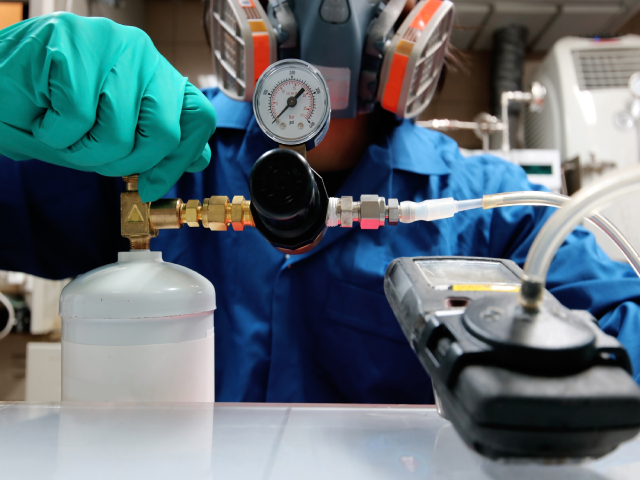
    We rely on gas detectors to monitor and alert us to potentially dangerous levels of toxic or combustible gases. By understanding a few of the different types of calibration gas for gas detectors, we can make informed decisions regarding their maintenance, enhancing their effectiveness and reliability.

    Methane (CH4)

    Methane is a common calibration gas for detectors that measure combustible gas levels. Being the primary component of natural gas, it serves as an essential benchmark. Methane is colorless, odorless, and highly flammable. Due to its widespread use in various applications, such as power generation and heating, accurate detection is crucial to prevent accidents and maintain safety standards.

    Carbon Dioxide (CO2)

    Carbon dioxide is another popular calibration gas popular in environmental, industrial, and medical applications. When monitoring indoor air quality or emissions from power plants, carbon dioxide calibration ensures the detectors correctly assess CO2 concentrations. This colorless and odorless gas is naturally present in our atmosphere, but at high concentrations, it can be dangerous and requires accurate monitoring.

    Oxygen (O2)

    Oxygen calibration gas is essential for detectors employed in enclosed spaces, such as mines, tunnels, and confined work areas. As the lack of sufficient oxygen can lead to life-threatening situations, regular calibration with oxygen gas is crucial. Oxygen is also useful as a balance gas for mixtures containing other components, as it helps to maintain the accuracy of multi-gas detectors.

    Hydrogen Sulfide (H2S)

    Hydrogen sulfide is a toxic gas notorious for its rotten-egg smell and presents significant health hazards. Employed in industries such as petroleum refining, wastewater treatment, and mining, H2S detectors need regular calibration using H2S calibration gas to ensure proper functioning.

    Selecting the Right Calibration Gas

    When selecting the appropriate calibration gas for your gas detector, keep the following factors in mind:

    1. Compatibility: Ensure the calibration gas is compatible with your detector’s sensor type and measurement range.
    2. Concentration: Choose a concentration that falls within the detector’s optimal performance range to ensure accurate results.
    3. Quality: Opt for calibration gases from reputable suppliers to guarantee purity and reliability.

    For each gas, you might also consider the advantages of disposal calibration gas cylinders over refillable ones. Remember to handle calibration gas cylinders with care, ensuring proper storage to maximize their shelf life and efficacy. Keep them in cool, dry conditions, away from direct sunlight, and avoid sudden temperature changes.

    Understanding different types of calibration gas for gas detectors is integral to maintaining accurate and reliable measurements. By being informed and scrutinizing the compatibility, concentration, and quality of the calibration gas, you can optimize the performance of your gas detector, ensuring the safety of personnel, equipment, and the environment.

  • 5 Ways To Control Food Contamination in the Food Industry

    5 Ways To Control Food Contamination in the Food Industry

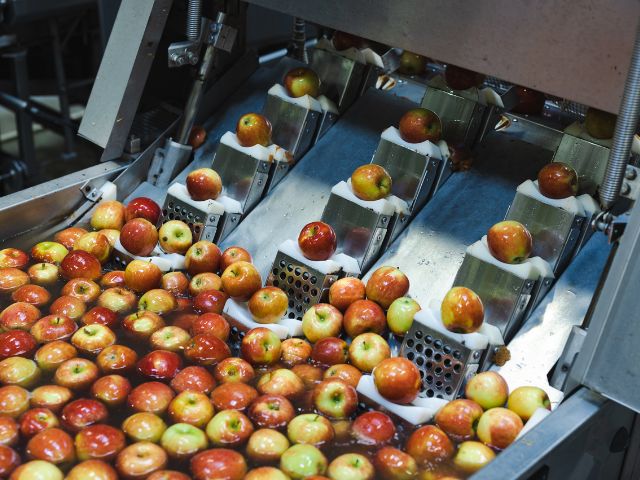
    In the food industry, maintaining high standards of hygiene and cleanliness is crucial for producing safe, quality food products. Controlling food contamination protects consumers and can uphold the reputation of your food manufacturing plant. Here are five ways the food industry can control food contamination.

    Daily Sanitation Practices

    Implementing daily sanitation practices is a fundamental step in maintaining a contamination-free environment. A daily sanitation routine includes cleaning and sanitizing all surfaces, equipment, and utensils used in food preparation. Training staff on proper cleaning techniques and appropriate cleaning agents is essential. Regular cleaning prevents the buildup of bacteria and other contaminants and helps your company maintain a safe environment for food preparation.

    Hazard Analysis and Critical Control Points

    Adopting the Hazard Analysis and Critical Control Points (HACCP) system is a proactive approach to food safety. This method involves identifying potential hazards in the food production process. Once you have identified these potential risks, you can create critical points to manage or eliminate them. Implementing an HACCP system helps you monitor food production at every stage, from raw material sourcing to final product distribution.

    Quality Equipment Investments

    Every business should invest in high-quality equipment. However, the food industry also requires equipment that meets high hygiene standards. For example, stainless steel appliances offer superior durability and ease of cleaning.

    Quality equipment lasts longer and reduces the risk of contamination through wear and tear or harboring bacteria in hard-to-clean areas. Regular maintenance and timely upgrades of equipment are equally important in this regard.

    Employee Training

    Educating employees about food safety and personal hygiene is essential. Your food manufacturing plant must provide comprehensive training programs that cover everything from personal hygiene to safe food handling practices.

    Your employees should understand their role in preventing contamination and know how to implement industry best practices. Regular training sessions can help keep everyone updated on the latest food safety guidelines and regulations.

    Cleanrooms

    One cannot overstate the importance of cleanrooms in food safety. Cleanrooms provide a controlled environment that minimizes contaminants like dust, airborne microbes, and chemical vapors. Utilizing cleanrooms, especially in areas with high food exposure, greatly reduces the risk of contamination and helps your company maintain a higher food safety standard.

    Controlling food contamination in the food industry requires a multi-faceted approach. By implementing the tips above, businesses can significantly minimize the risk of foodborne illnesses and provide customers with safe products. These strategies will ensure your customers continue purchasing your food products and protect your reputation in the food industry.