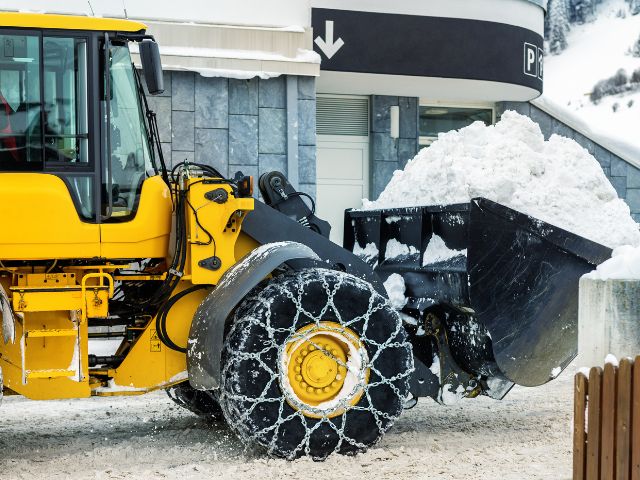
Winter can be a challenging time for heavy equipment operators and maintenance crews. As temperatures drop and harsh weather conditions set in, you must ensure your heavy equipment is in good shape to prevent costly repairs and downtimes.
To help you protect your tools and machinery, let’s look at how to prepare your equipment for the winter.
Conduct a Thorough Equipment Inspection
Before the winter season begins, you should examine your heavy equipment for any existing damage or potential issues thoroughly. Carefully inspect every part of the machine, including the hydraulic systems, electrical components, and moving parts.
Ensure there are no visible cracks, leaks, or signs of wear and tear. A detailed inspection will help you identify and address potential problems before they escalate and cause significant downtime during the critical winter months.
Switch to Winter-Grade Lubricants
As temperatures decrease, the properties of your heavy equipment fluids can change, potentially affecting their performance. To ensure the optimal operation of your machinery, consider switching to winter-grade lubricants designed explicitly for low temperatures.
These lubricants provide better viscosity and flow at lower temperatures, enhancing the performance and longevity of your heavy equipment. Additionally, don’t forget to check the coolant level and keep it balanced to prevent freezing in the engine.
Protect Against Corrosion With Proper Storage and Maintenance
Corrosion is a significant problem that can affect the integrity and functionality of your heavy equipment. One of the best ways to prevent equipment corrosion on a jobsite is to invest in a high-quality, heavy equipment storage solution. Examples include a heated garage or fabric storage building. Keeping your heavy equipment indoors offers added protection against the elements, which can help slow down the corrosion process. If indoor storage isn’t feasible, use protective covers to shield your equipment from snow, ice, and salt.
Additionally, you should keep your heavy equipment clean throughout the winter months, washing off dirt, debris, and harmful road chemicals, such as salts and deicers. Applying corrosion inhibitors and anti-corrosion coatings to exposed metal components can also provide an added layer of protection.
Do Proper Tire Care and Implement a Tire Management Plan
Tire performance directly affects your heavy equipment’s efficiency, safety, and overall performance. During the winter months, you must take special care of your tires—or implement a tire management plan—to help improve safety and overall performance.
Regularly inspect tires for pressure, tread depth, and signs of damage. Additionally, consider opting for winter-specific or all-season tires to provide better traction and stability in cold weather conditions.
Train Your Operators for Winter Operation and Safety
Preparing your heavy equipment for winter isn’t complete without ensuring your operators have the training to handle the machinery in harsh weather conditions. Provide training on safe driving techniques and operating procedures in snow and ice.
Make sure they understand how to identify potential safety hazards and respond accordingly. Educating your operators on proper equipment maintenance can also help them identify potential issues before they become significant problems.
Preparing your heavy equipment for winter is crucial to ensure optimal performance and prevent costly breakdowns during the cold season. By following these five key steps, you can ensure your machinery is ready to tackle whatever challenges the winter season may bring. Prevention is always better than dealing with unexpected repairs and downtimes during crucial times of the year.
Leave a Reply