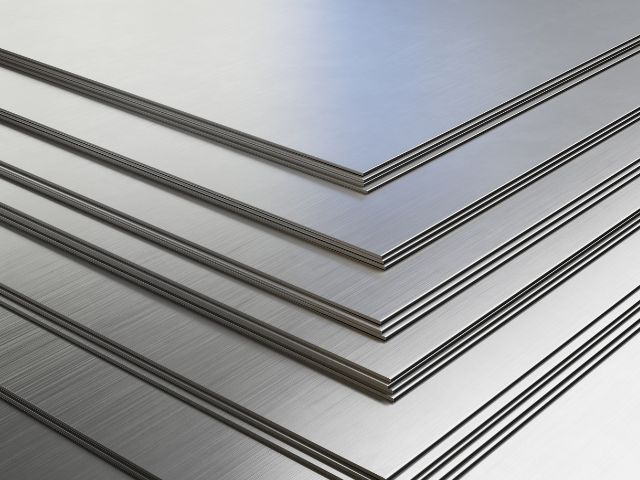
Precision is key for metalworking and manufacturing, which is where metal blanks come into play. A metal blank is a piece of metal pre-cut into specific sizes and shapes. Manufacturers will process it into a final product. Read on and find out the purpose and advantages of metal blanks.
Purpose of Metal Blanks
The primary purpose of metal blanks is to provide manufacturers with a ready-to-use component that reduces the time spent on cutting and shaping. This significantly speeds up the manufacturing process. By starting with a blank that’s close to the final shape of the product, manufacturers can quickly begin detailed work, such as drilling or milling, saving them time and resources.
Efficiency and Consistency
Using metal blanks increases the efficiency of production. They significantly reduce setup time and boost throughput. Because blanks are pre-cut in various sizes, and blanks of the same size are consistent. This uniformity ensures every product maintains the same high quality, which is particularly crucial in the automotive industry where precision is crucial for safety.
Material Optimization and Sustainability
Another significant advantage of using metal blanks is material optimization. Pre-cut blanks minimize waste, which aligns with sustainability practices. Reducing wasted material is important for many manufacturers today, and using metal blanks is a practical way to achieve this goal.
Benefits in the Automotive Industry
Metal blanks in the automotive industry have great advantages. Cars contain hundreds of components, from fuel tanks to exhaust systems. Metal blanks enable manufacturers to produce these parts efficiently, which leads to quick assembly times and high production rates. Steel blanks are essential in the production of suspension and chassis components due to their high strength and resilience.
Now that you know the purpose and advantages of metal blanks, it’s clear why they’re popular in various industries. From increasing efficiency to material optimization, metal blanks are valuable in manufacturing.
Leave a Reply