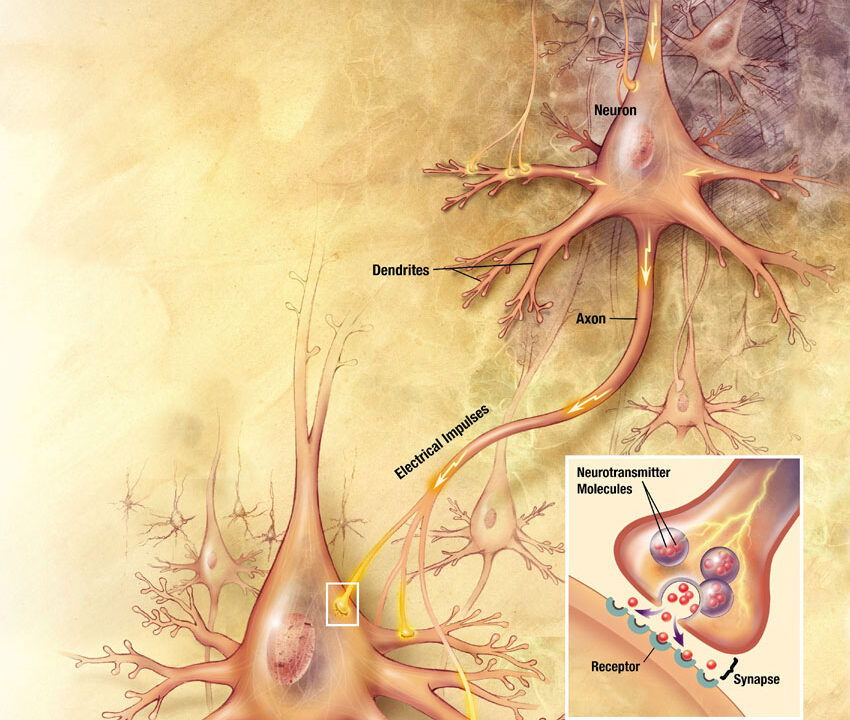
Parkinson’s disease advances through a slow act of sabotage: a protein called alpha-synuclein, normally harmless, begins to clump inside the brain cells that control movement, poisoning them from within. A new study suggests the brain may already own a countermeasure — it just needs more of it.
In research published in the Proceedings of the National Academy of Sciences, Yale School of Medicine scientists report that increasing the amount of a protective protein prevented alpha-synuclein from building up in a mouse model of Parkinson’s disease — and more than doubled how long the animals lived.
Parkinson’s is the second most common neurodegenerative disease. Over three decades of research have confirmed that alpha-synuclein aggregates are toxic to the neurons whose loss produces the disease’s tremor, rigidity and slowness. Preventing the clumping, rather than clearing its damage later, has long been the field’s most attractive — and most elusive — strategy.
The caveats are the usual ones, and they are significant. Mice are not people; many treatments that rescue mouse brains have failed in human trials, and the path from a protein-boosting concept to a safe, deliverable medicine is measured in years of further work.
But the result lands on the right side of the field’s central question. A therapy that stops the toxic buildup itself — rather than managing symptoms after neurons die — is what Parkinson’s research has been chasing for a generation. In a dish of mouse neurons, at least, the chase just got faster.
Related reading: Rare Immune Cells in Abdominal Fluid May Be Shielding Tumors From Attack · Real-Time Oxygen Tracking Exposes Hidden Losses in Solar Water Splitting · A Crater Nearly Split Mars's Moon Phobos in Two