World
Abu Dhabi in November: Where the Oleshky Pause Could Lead Next
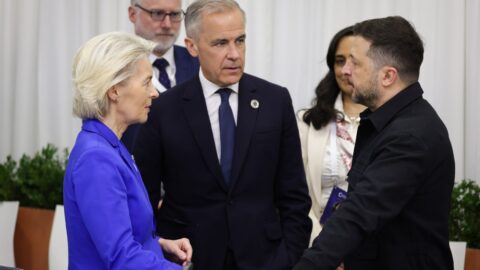
Zelensky confirmed trilateral working group talks in Abu Dhabi in early November, following discussions with American envoys Witkoff and Kushner.
The days top stories, headline first.
Zelensky confirmed trilateral working group talks in Abu Dhabi in early November, following discussions with American envoys Witkoff and Kushner.
Oil prices climbed sharply this week as two supply shocks hit at once: attacks on tankers near the world’s most important oil chokepoint, and…
American consumers are feeling worse about the economy than at any point in five months — and by one measure, worse than they felt…
Corporate America’s third-quarter earnings season is about to begin, and by the estimates of Wall Street analysts, it will once again be a story…
US stocks closed mixed on Thursday as a surge in crude oil and a sharp selloff in semiconductor shares pulled the major indexes in…
Top stories, once a day. No spam.
Here is what you need to know about the deadly shooting at a West Bank checkpoint on Friday.
The White House is investigating a 17.6 million dollar transfer from the Democratic Republic of Congo to a Texas defence company, at the centre…
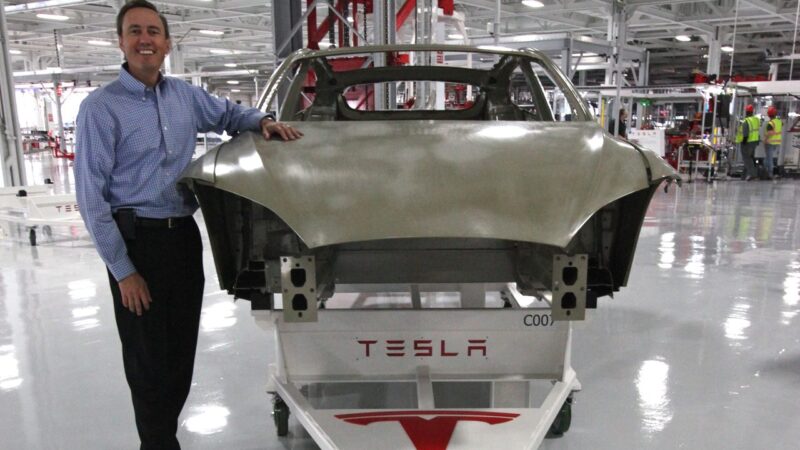
Tesla is spending less than it said it would, and the market is not sure whether to call it discipline or doubt. On its…
A Columbia paper puts US AI infrastructure at $10.3T through 2032 — 3.6% of GDP a year. Hyperscaler capex is outrunning cash flow, and the grid can't keep up.
Washington Commanders wide receiver Terry McLaurin will miss the rest of the season with a torn patellar tendon in his left knee, head coach…
Aaron Sorkin's 'The Social Reckoning', with Jeremy Strong as Mark Zuckerberg, leads one of the busiest cinema weekends of the autumn.
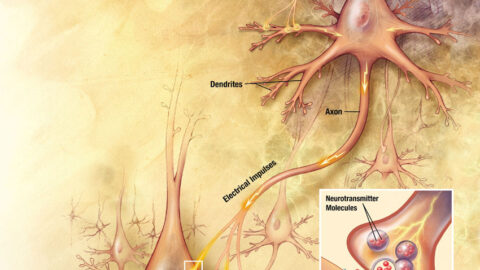
How old your brain looks may depend, in part, on what lives in your gut. In a study published in the journal eBioMedicine, UCLA…
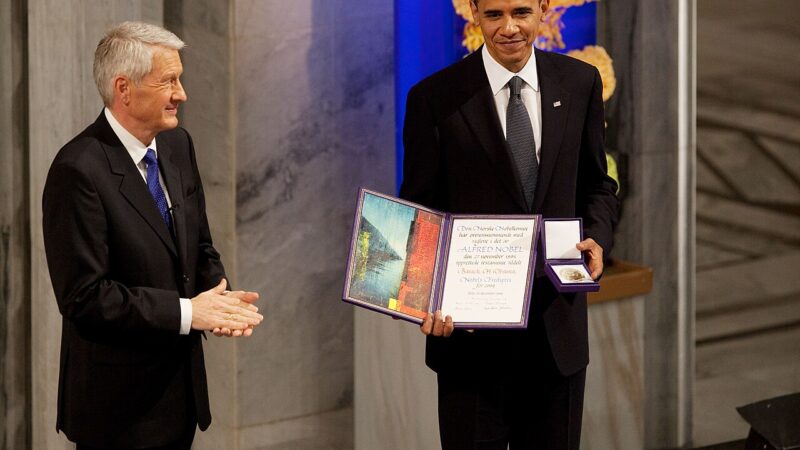
Robert E. Hall of Stanford and Michael Woodford of Columbia won the 2026 Nobel economics prize for the ground-up models that steady economies.
Answers come from this site’s published pages. Anything else goes to the team.