How old your brain looks may depend, in part, on what lives in your gut.
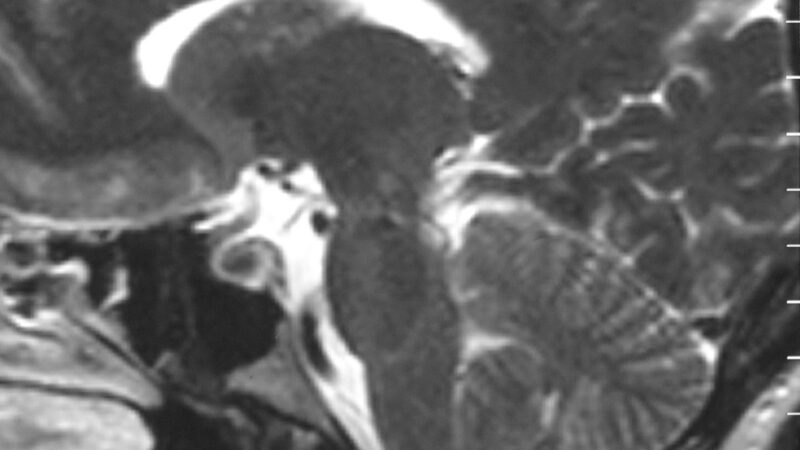
In a study published in the journal eBioMedicine, UCLA Health researchers report that the pace of brain aging appears connected to gut bacteria and the chemical compounds they produce. The team examined brain scans from nearly 1,500 adults across three separate groups, using patterns of communication between brain regions at rest to build a Brain Aging Index — an estimate of how old each brain appears compared with its owner’s actual age.
Across all three groups, people whose brains appeared older than their years generally performed worse on tests of working memory and executive function — the abilities used to hold information in mind, focus, plan and organise. Earlier research had established similar links mostly in older adults or people already living with neurological conditions; this study asked whether the same signals matter in younger, generally healthy people, and found that they do.
The gut connection is the study’s most provocative thread. The researchers suggest that microbial communities and their by-products may track, and perhaps influence, how quickly the brain’s functional networks age — long before memory problems or other symptoms surface.
The authors are careful not to overclaim: this is an association, not proof that changing the gut changes the brain. But it reframes a practical question. If a stool sample or a blood signature of microbial activity could one day flag accelerated brain aging in midlife, the window for intervention — exercise, diet, sleep, cardiovascular care, all the unglamorous levers known to matter — would open years earlier than it does today.
Related reading: Drug-Resistant Candida Auris Cases More Than Doubled in Two Years, CDC Data Show · FDA Decision Day Arrives for a Colon Cancer Immunotherapy Combination · CDC Flags a Sharp Rise in a Rare Brain Fungus With a Grim Fatality Rate