A rare fungus that attacks the human brain is being detected in the United States at roughly four times its earlier rate, federal researchers reported this month — and nobody yet knows why.
The report, published October 2 in the Centers for Disease Control and Prevention’s Morbidity and Mortality Weekly Report, examined cases of Cladophialophora bantiana identified at a University of Washington reference laboratory. Annual detections held between one and five cases from 2009 through 2023, then jumped to eight in 2024 and 14 in 2025. Measured against the volume of brain specimens tested, the detection rate more than tripled, from an average of 8.4 per 1,000 specimens in 2017–2023 to 26 per 1,000 in 2025.
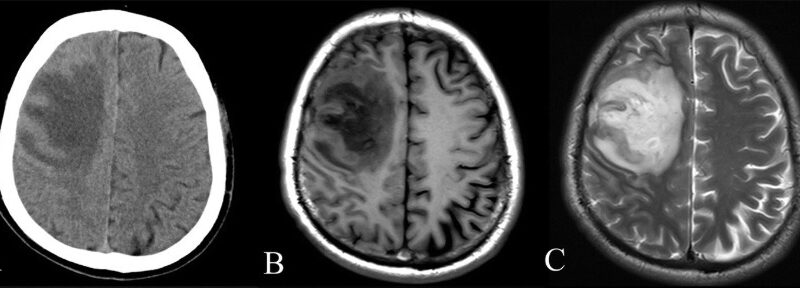
The fungus is rare but exceptionally dangerous. Of 49 cases identified between January 2009 and July 2026, 88 percent involved brain tissue — the organism’s signature brain abscesses — with the rest found in lung specimens, suggesting infection begins by inhalation. Historical case-fatality rates run between 60 and 70 percent, even with aggressive antifungal treatment and surgery. Strikingly, about half of patients have no known condition weakening their immune system.
The cases were spread across 21 states and the District of Columbia, with California, Florida, Texas and Pennsylvania reporting the most. The researchers stress that the reason for the increase is unknown: there is no national surveillance system for the fungus, its environmental source is poorly understood, and it has rarely been isolated outside patients.
The practical guidance is aimed at clinicians. Doctors evaluating a brain abscess, the CDC team wrote, should now consider this fungus among the causes — because with an organism this lethal, days of diagnostic delay are measured in outcomes.
Related reading: Gut Bacteria May Reveal How Fast the Brain Is Aging, UCLA Study Suggests · Drug-Resistant Candida Auris Cases More Than Doubled in Two Years, CDC Data Show · FDA Decision Day Arrives for a Colon Cancer Immunotherapy Combination