Saudi Arabia has restored its East-West oil pipeline to near-full capacity, but a month of attacks on the kingdom’s energy and transport infrastructure is raising fresh questions about how secure its export lifeline really is.
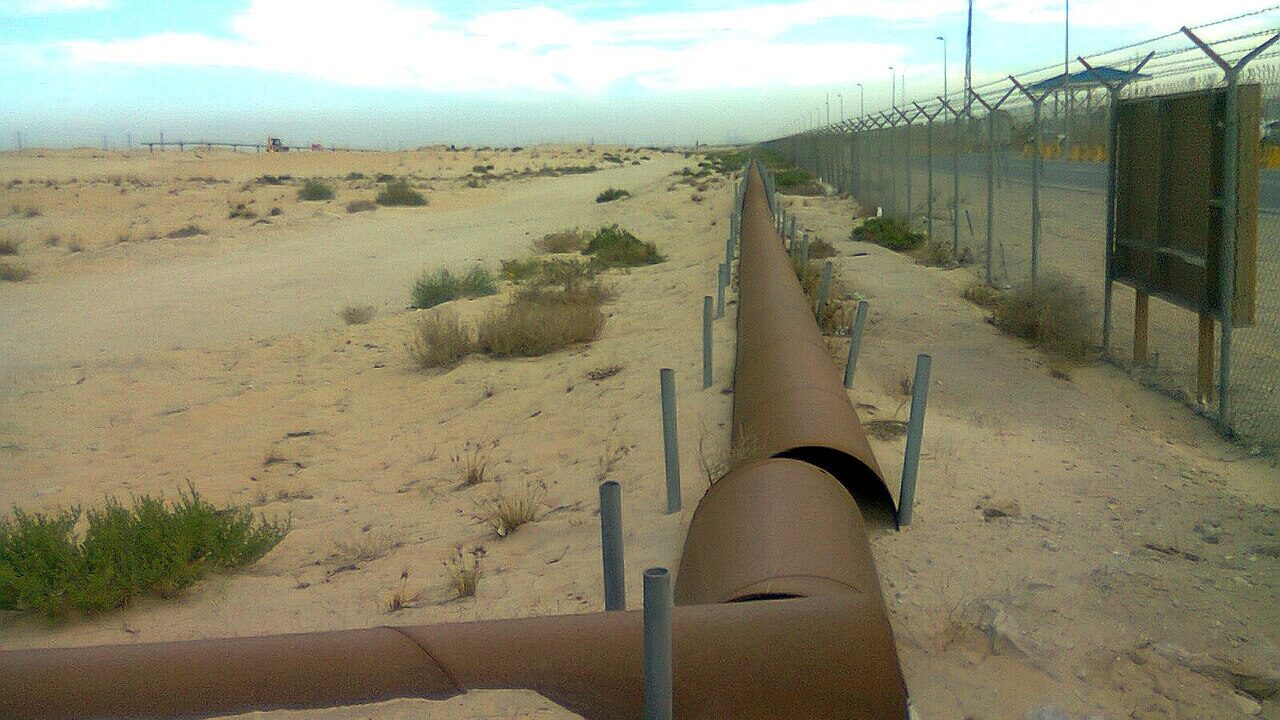
The pipeline, which runs about 1,200 kilometres from the eastern oilfields to the Red Sea port of Yanbu, was recently transporting around 5.8 million barrels of oil per day, according to the Saudi energy minister, after a September drone attack forced a temporary shutdown. The line has a maximum capacity of roughly 7 million barrels a day and resumed operations within about a week of the strike, officials said.
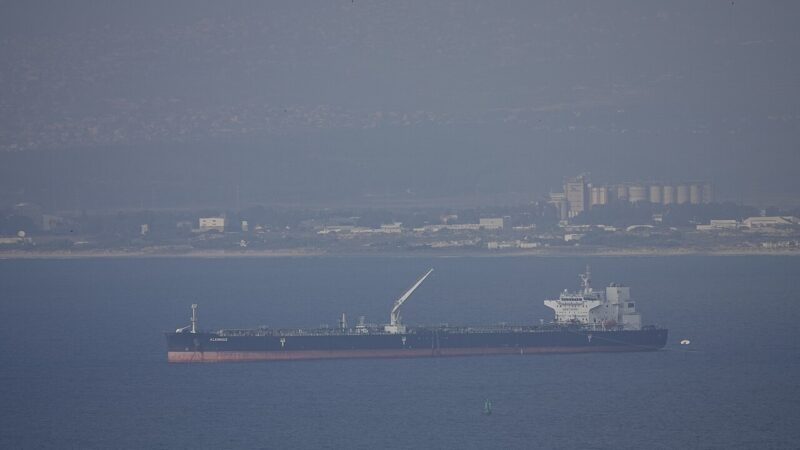
The route matters far beyond Saudi Arabia. With shipments through the Strait of Hormuz disrupted by the war involving Iran, the pipeline has become Riyadh’s crucial bypass, moving roughly 4 million barrels a day toward Yanbu — equivalent to about 4 percent of global oil supply.
The concern now is what comes next. Strikes attributed to Houthi forces and allied groups have spread across Saudi energy facilities, airports and transport sites over the past month, and satellite imagery published by news agencies showed fires at a pumping station southeast of Medina after one attack. Saudi officials blamed drones launched from Iraq for the September shutdown and say inspection and security work continues along the line.
For oil markets, the arithmetic is unforgiving. Every day the pipeline runs near capacity, millions of barrels reach buyers without passing the region’s most dangerous chokepoint. Every new strike reminds traders how quickly that cushion could vanish — and why crude prices have stayed elevated even as flows recover.
Related reading: Tankers Attacked Near Hormuz as the Blockade Squeezes Iran's Oil Lifeline · Hurricane Isaias Bears Down on the Gulf Coast as Evacuations and Platform Shutdowns Spread · Britain Keeps a Scaled-Down Jerusalem Mission After Compromise With Israel