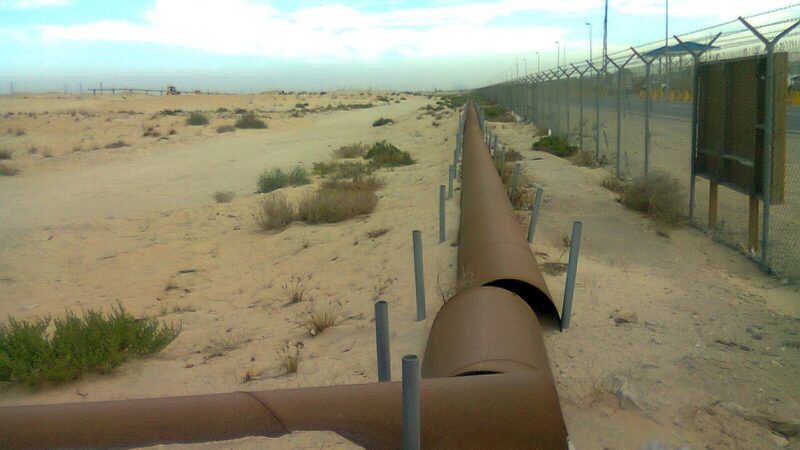
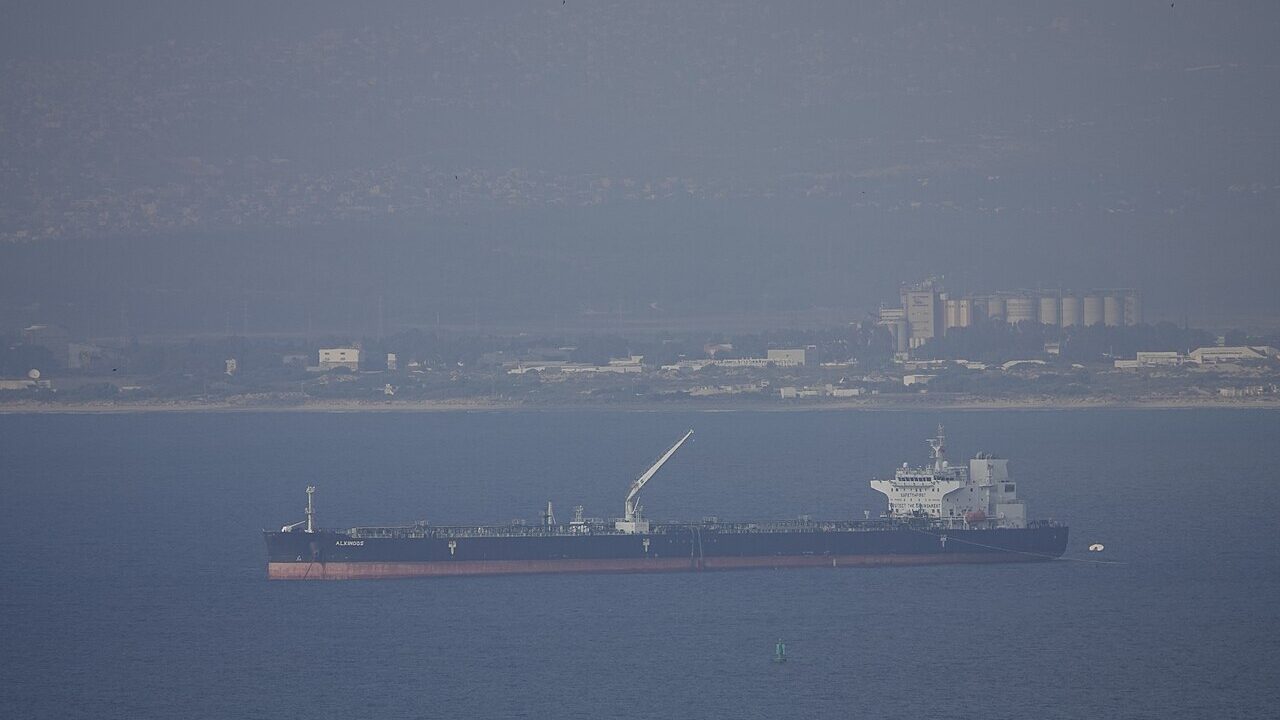
Nine tankers have been attacked in and around the Strait of Hormuz over the past week, according to market reports, as the confrontation over Iran’s oil exports moves from sanctions paperwork to open pressure on the water.
The United States reimposed its blockade of Iranian ports on July 14 after a memorandum meant to end the war broke down. Since then, according to Treasury officials, Iran has largely stopped loading and offloading crude, and only about 20 million barrels of its oil remain on vessels outside the blockade, waiting off Singapore, Malaysia and China. The world consumes roughly 100 million barrels every day.
That stranded cushion explains why Washington’s latest sanctions, announced Thursday against 17 more tankers in Iran’s “shadow fleet,” landed with unusual force. Officials said the designations effectively neutralise the vast majority of the fleet Tehran has used to move crude and petrochemicals to buyers in South and East Asia, often under false flags and through layers of front companies.
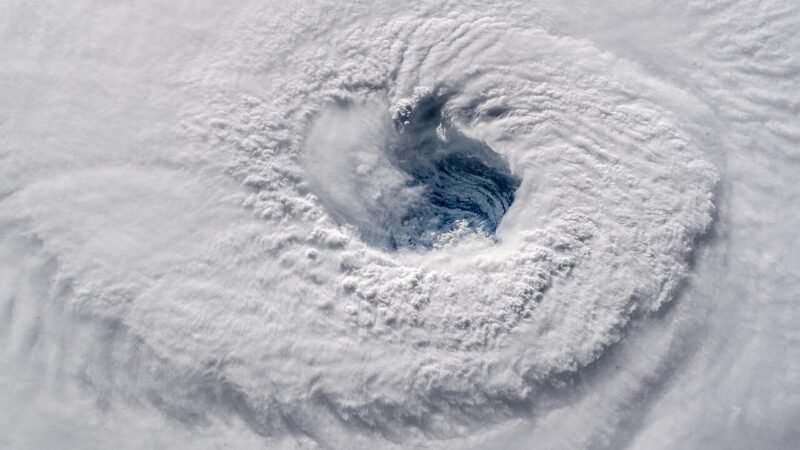
Markets are pricing in the squeeze. Brent crude settled about 4 percent higher at $104.28 a barrel this week, while West Texas Intermediate rose 3.6 percent to $91.49 — moves traders attributed to the tanker attacks, the blockade and a hurricane idling Gulf of Mexico platforms at the same time.
For now, the pressure campaign rests on a simple bet: that an Iran unable to sell its oil will eventually negotiate. The risk, visible in every spike at the pump, is that the squeeze on Tehran becomes a squeeze on everyone else first.
Related reading: Hurricane Isaias Bears Down on the Gulf Coast as Evacuations and Platform Shutdowns Spread · Britain Keeps a Scaled-Down Jerusalem Mission After Compromise With Israel · Ukraine Drone Strikes Hit Two Yandex Data Centres in Two Days