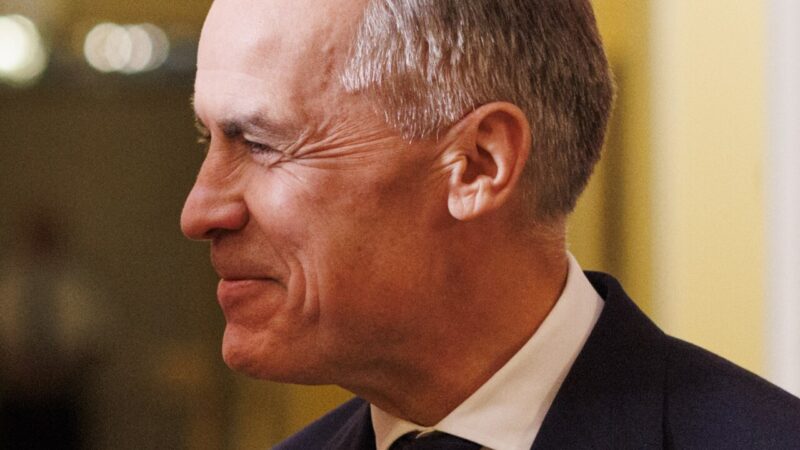
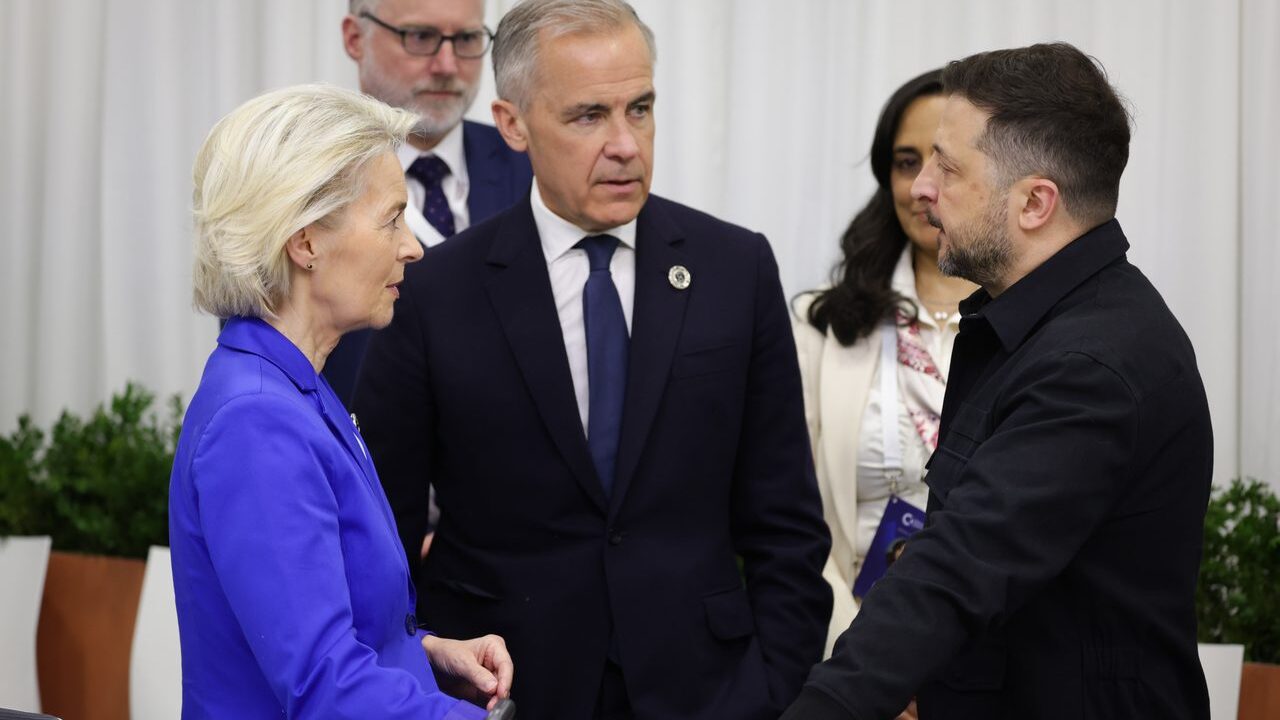
Volodymyr Zelensky said the quiet part out loud this week: asked if Ukraine should freeze the front line, he answered, “Yes, right now we have to freeze,” calling it a real way to end the war.
The remark, made on Fox & Friends on October 21, marked a striking shift in tone from Kyiv. With over 75 percent of Ukrainians reportedly supporting a freeze, Zelensky was reading his public as much as leading it.
The diplomacy moved fast. US envoy Steve Witkoff spent three hours with Vladimir Putin in St Petersburg, and a trilateral meeting is expected after November 10. The pieces of a negotiation are being arranged in public.
What freeze means
A freeze is not peace; it is a pause with lines drawn in blood. But for a country exhausted by war, a pause is a policy. Zelensky’s framing, that freezing is “a real way to end the war,” suggests Kyiv sees a ceasefire as the doorway to diplomacy, not its burial.
Putin’s summit proposal shows how many tables are being set. The White House’s Congo probe is a reminder of how crowded the agenda is, and the question is which table actually produces a deal.
The week ahead
After November 10, the trilateral could test whether the freeze talk is real. Until then, the diplomacy accelerates while the front line holds.
Wars end at tables, not on battlefields.