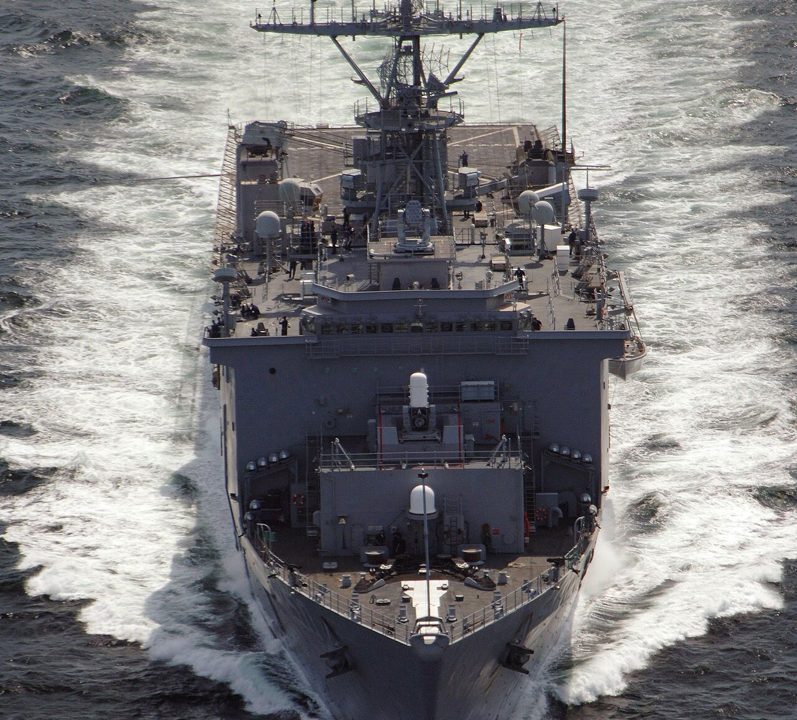
The figure at the centre of the Iran reporting this week is 96 hours. CNN reported on October 26 that American forces in the Middle East could begin major military operations within 96 hours of receiving presidential authorisation. That figure has been repeated as if it were a deadline, a warning or a countdown. It is none of those things. It is a readiness measure: the time planners estimate it would take to move from authorisation to major operations, given forces already in the region, targets already studied and logistics already in place. Understanding that distinction matters, because it changes what the reporting means. A force that can act in 96 hours is a force that gives its president options. A force that must act in 96 hours is a force on a timetable it does not control. The reporting describes the first, not the second.
Readiness as a signal
Military readiness is also a form of communication. When planners disclose, through reporting, that forces could act within 96 hours, they signal to Tehran that the option is real, to allies that Washington is serious, and to adversaries that delay has a cost. At the same time, the absence of a presidential decision signals restraint: preparation without authorisation is the normal posture of a military in a confrontation, not a prelude to imminent war. Officials are still assessing the possibility of retaliation against American personnel and installations across the region, and discussions about reducing diplomatic personnel in certain locations reflect that assessment. Those precautions are prudent, not alarming, and they should be read as part of the same picture: a government preparing for a contingency it hopes not to face.
The decision that has not been made
President Trump previously indicated that he would not authorise new attacks before Election Day on November 3, and no final decision to launch additional attacks has been announced. That earlier indication does not bind him, and the 96 hour readiness does not expire on Election Day, but the combination means the next week is a period of preparation, not action, unless the president decides otherwise. The Iran readiness report describes options covering military facilities, nuclear sites and energy infrastructure, a breadth that reflects the range of choices available rather than a single plan. Readers should therefore treat the 96 hour figure as what it is: a measure of capability, not a prediction of intent. The prediction, if there is one, will come from the president, in his own words, when he makes the decision. Until then, the story is readiness, and readiness is not war.