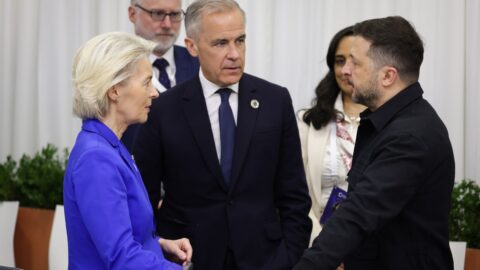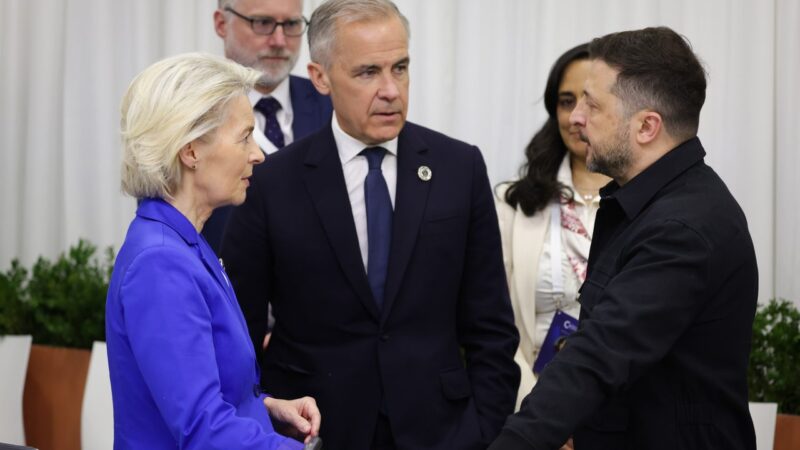

President Volodymyr Zelensky confirmed that Ukrainian, Russian and American delegations would hold trilateral working group talks in Abu Dhabi, United Arab Emirates, during the first half of November. The announcement followed discussions with American envoys Steve Witkoff and Jared Kushner, who had recently met with Russian President Vladimir Putin. The talks are a step beyond the Oleshky humanitarian ceasefire, because working groups discuss process and substance, not only a single town’s relief operation, and they will be watched as a test of whether a local pause can grow into a wider conversation.
What Zelensky says must be on the table
Zelensky has maintained that any potential peace agreement must include strong international security guarantees against future Russian aggression and at least ten years of funding to support Ukraine’s armed forces. Security arrangements and territorial questions remain central issues in the anticipated negotiations, and those are precisely the questions a local ceasefire for one town does not answer. The Oleshky arrangement, which covers only the Russian occupied city in the Kherson region, involves civilian teams visiting residents, demining, and coordinated transport for those who wish to evacuate. It is a humanitarian mechanism, and its value should not be overstated: it helps people in one town, but it does not settle who controls territory, how security is guaranteed, or how a wider war ends.
Why Abu Dhabi matters anyway
Working groups matter because wars rarely end in a single summit. They end, when they end, through a series of smaller meetings where the hard questions are first put in writing, tested, and sent back to capitals for decision. Abu Dhabi, as a neutral venue with experience hosting sensitive talks, fits that pattern, and the presence of all three delegations, Ukrainian, Russian and American, gives the talks a structure that bilateral statements lack. The risk is that working groups become a way to appear to negotiate while fighting continues, and both sides will face that accusation. The test in early November will be simple: whether the groups produce anything that changes the facts on the ground, for Oleshky’s residents first, and for the wider war second, or whether they produce only another round of talks about talks.