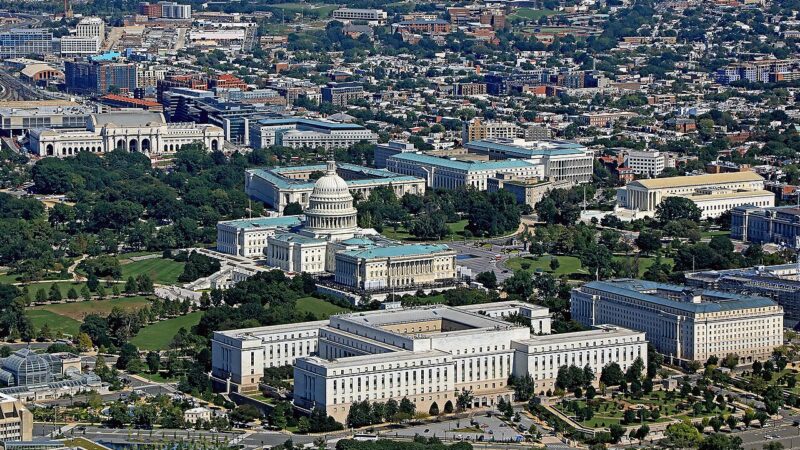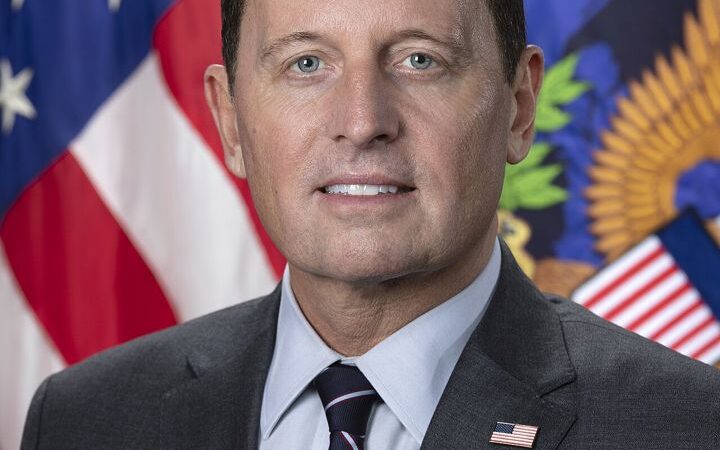
One of the few House Republicans to win a U.S. Senate seat in Tuesday blue wave election is urging her GOP colleagues to aggressively use the remaining days of the lame duck Congress this year to pass multi-year budgets to protect agencies that Democrats want to defund and to codify President Donald Trump cuts to foreign aid that the left wants to restore. The appeal is a recognition of the new arithmetic: with Democrats set to control both chambers from January, the weeks before the new Congress is seated are the last chance for the outgoing majority to lock in its priorities.
Why it matters
The lame duck session is one of the strangest periods in American politics, a time when members who have lost their seats still vote, and when the outgoing majority can still legislate. It is also a time of urgency, because every bill that is not passed before January must be reintroduced in a Congress controlled by the opposition. Multi year budgets are the most durable tool available in that window, because they set spending levels for years ahead and are harder for a new majority to unwind than a single year appropriation. That is why they are the centrepiece of the appeal.
The agencies at stake are those that the new Democratic majority has said it wants to defund, and the foreign aid cuts are those that the administration has pursued and that the opposition wants to restore. The argument for acting now is that a budget passed in the lame duck session is a fact on the ground, and that a new Congress would need to pass new legislation to reverse it, which would require either presidential cooperation or a veto proof majority. The argument against acting is that a lame duck majority should not bind its successor, and that the voters have just delivered a verdict that the outgoing majority should respect.
What happens next
The appeal also reveals the internal politics of a defeated party. A House Republican who has just won a Senate seat is speaking from a position of unusual authority: she has survived a wave election that swept away her colleagues, and she will carry her party voice into the next Congress. Her call to use the lame duck aggressively is a call to fight on, rather than to accept the result and prepare for opposition. It is also a message to the party base that the defeat has not ended the argument, and that the work of the next two years begins now.
What happens next will be decided in the coming weeks, as the lame duck session runs its course. If the outgoing majority passes multi year budgets, the new Congress will inherit spending levels it did not choose, and the first fights of the new session will be over whether to accept them or to challenge them. If it does not, the new majority will have a free hand to set its own priorities, and the agencies and aid programmes at stake will face an uncertain future. Either way, the lame duck is the last act of the old Congress, and the appeal is a reminder that in American politics, no majority gives up power quietly.