The early vote record keeps growing, and so does the importance of the ballots that have not yet come back. More than 49 million Americans have already cast ballots, according to University of Florida Election Lab figures reported by Reuters on Saturday, passing the roughly 46 million early ballots recorded across the whole of the 2022 midterms. Earlier in the week, 27.9 million mail ballots sent or requested had not yet been returned, a pool that has shrunk since as more ballots arrive, but that remains large enough to shape the final turnout in several states. The record and the pile are two sides of the same story: a country voting early in unprecedented numbers, with a large share of its mail vote still in transit.
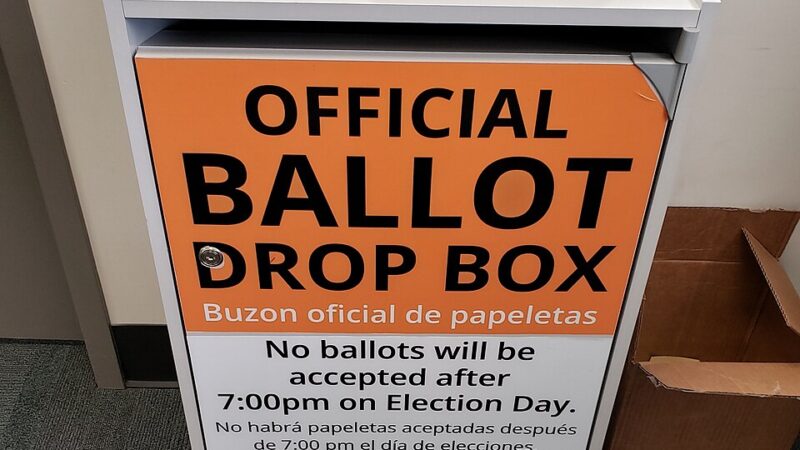
The pile matters because mail voting has a failure mode that in person voting does not: a ballot can be requested, completed and still not counted, because it arrives late, lacks a signature, uses the wrong envelope or is returned to the wrong place. Campaigns know this, which is why the final weekend is dominated by ballot chasing, the unglamorous work of contacting voters who hold ballots and guiding them through return. Persuasion asks a voter to choose; chasing asks a voter to finish a task, and the second task fails for mundane reasons that no speech can fix.
State patterns in the pile
The national pile is unevenly distributed, and the states with the largest early totals are also the states where chasing matters most. Texas has recorded more than six million early votes, about 50 percent ahead of its 2022 pace, while Georgia broke its midterm early voting record and South Carolina passed its entire 2022 early total with days to go. Those records describe ballots cast, but each state also holds an outstanding pile of its own, and the campaigns that win close races will likely be the ones that reduced their pile fastest in the final days, not the ones that celebrated their early totals loudest.
Party registration data adds a further layer, and a warning. In states that publish party registration, registered Democrats account for about 44 percent of early ballots, Republicans about 31 percent and unaffiliated voters about 25 percent. Those figures describe who has voted early, not how anyone voted, and analysts stress that early totals are a poor predictor of final outcomes. The record early voting total passed 47.9 million by midday on October 30, and the outstanding pile at that point was still in the tens of millions, which means the party gap in early ballots could narrow, widen or reverse as the pile returns and Election Day votes are added.
The weekend task
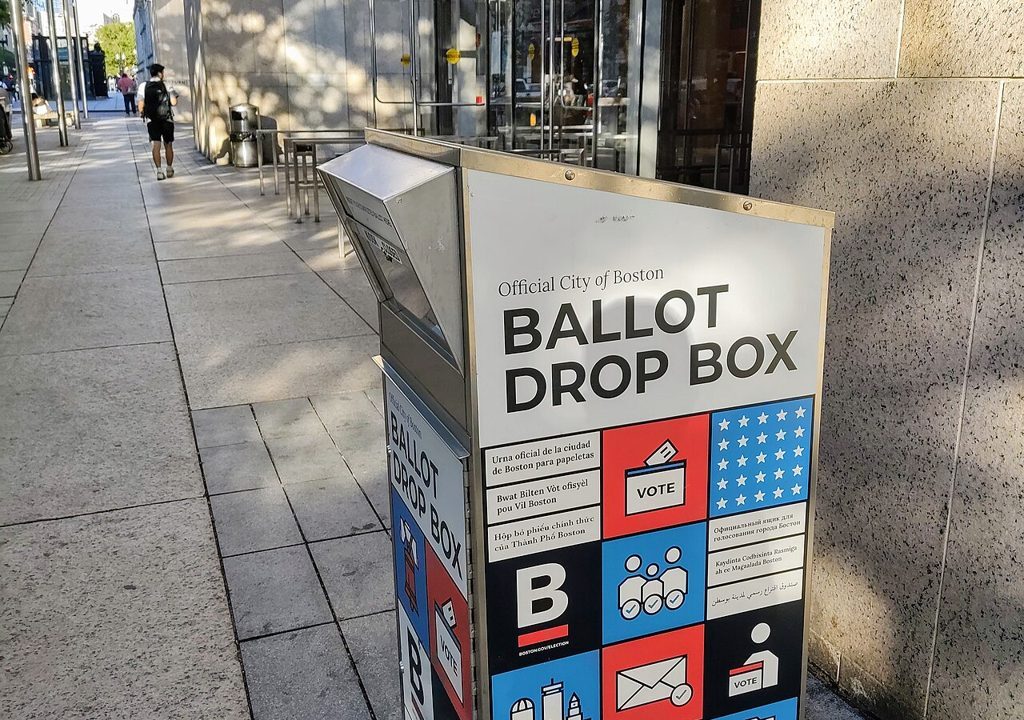
The practical task for voters holding a mail ballot is simple and urgent: complete it, sign it as instructed, and return it promptly, checking local rules on drop boxes and postmarks. The practical task for campaigns is equally simple: contact those voters, give them the nearest drop box, and warn them about the errors that cause rejections. Both tasks are more important than any final rally, because a rally persuades the already persuaded, while a returned ballot counts.
By Tuesday night, the pile will have resolved into returned ballots, late ballots and ballots never cast, and the early vote record will be only part of the story. The campaigns that treated the outstanding pile as their main audience in the final weekend, rather than as an afterthought to persuasion, will have given themselves the best chance in the close races. In an election where tens of millions voted early, the decisive voters may be the ones who needed one more reminder to finish what they started.