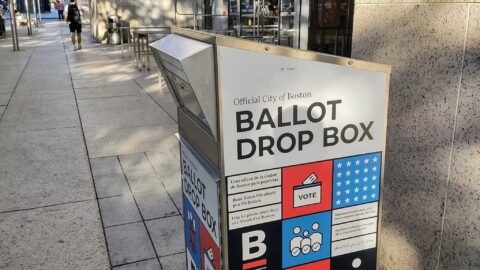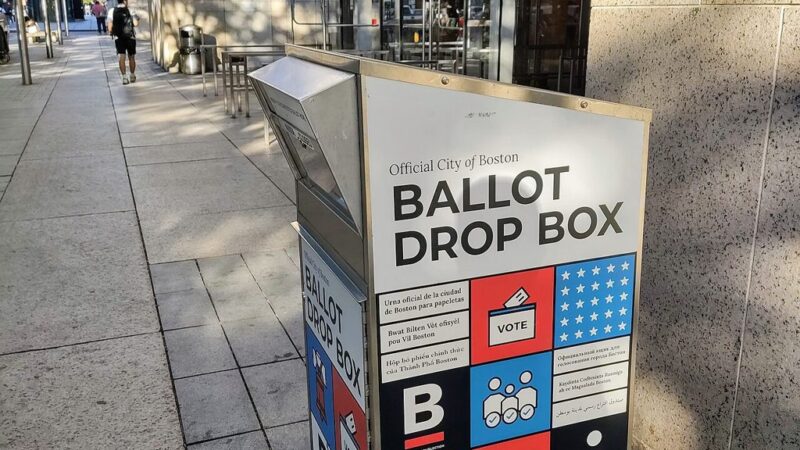

All 435 seats in the United States House of Representatives are on the ballot on Tuesday, and the contest for control of the House will be decided not by a national wave alone, but by a handful of districts where small margins, strong local campaigns and high turnout decide who goes to Washington. The House is where the midterm election becomes a local election, repeated 435 times.
Republicans hold a narrow House edge, according to reporting on the final weekend, and Democrats need only a small net gain to take the chamber. That arithmetic is why both parties have concentrated resources on competitive districts, and why the final weekend has been spent on get out the vote operations in places where a few thousand votes, out of hundreds of thousands cast, can decide the seat. A district that looks safe on a national map can still be close on the ground, if turnout is uneven or if a local issue, such as a plant closure or a water dispute, drives voters who otherwise stay home.
The Senate, where 35 races are contested and Republicans hold a 53 to 47 majority, will attract more national attention, but the House will decide much of the next two years’ legislative agenda. A House controlled by the president’s party can pass bills, hold hearings and set the agenda. A House controlled by the opposition can block bills, launch investigations and force negotiations. That is why House control matters even when the Senate outcome is clearer, and why House districts that rarely make national news will matter on Tuesday night.
Local issues, national consequences
House campaigns are local in a way Senate campaigns are not. A representative serves a single district, often a collection of towns and suburbs with a shared economy, and voters judge that representative on local delivery as much as on national party lines. A candidate who understands a district’s hospitals, schools, factories and farms can outperform their party’s national standing, while a candidate who campaigns only on national themes can underperform it.
That local character also means that House results will not be uniform. Some districts will swing sharply, others will barely move, and the overall House outcome will be the sum of those local stories, not a single national story. Analysts who try to read a national message from a single district, or to predict the House from a single poll, will miss the pattern that only emerges when all 435 results are counted.
What Tuesday night will show
On Tuesday night, the first House results will come from states that count quickly, and the picture will sharpen as western states report. Close districts may take days, if postal ballots are still arriving or if counting is contested, and the final House majority may not be known on election night itself. That delay is not a failure of the system, but a feature of a system that counts every ballot, including those cast early and by post, before declaring a winner.
More than 51 million Americans have already voted, a midterm record, and Election Day voting will add millions more. The House map that emerges from that vote will shape the next two years, district by district, and the districts that decide it will be the ones where campaigns worked hardest, turnout was highest, and margins were smallest.