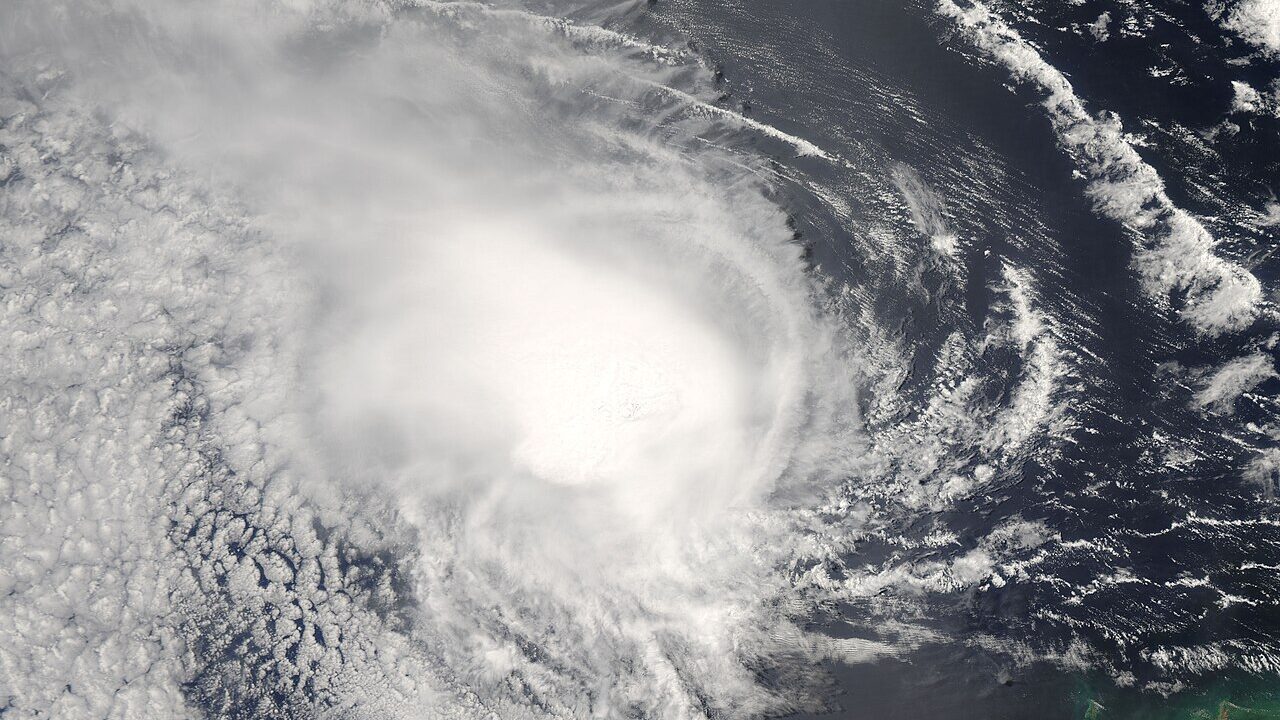
Andhra Pradesh is bracing for Cyclone Murasu landfall with a plan shaped directly by Cyclone Arnab damage. The new storm is expected to cross the south Andhra Pradesh coast between Nellore and Narsapur late on Monday night or early on Tuesday morning, with wind speeds of 100 to 110 kilometres per hour, gusting to 120. That forecast, from the India Meteorological Department, puts the same coast that Arnab struck on October 28 back in the path of a severe cyclonic storm within a week, before Arnab repairs are complete.
Chief Minister N Chandrababu Naidu reviewed restoration and preparedness with senior officials from the Real Time Governance Society, and directed a set of measures that read as a checklist from Arnab failures. Diesel generators are to be installed at all mandal headquarters to keep mobile networks operational during power outages. Alternative power arrangements are to secure all 4,500 BSNL towers in the state, as well as towers belonging to other providers. Electricity restoration in Arnab affected areas, carried out by about 7,000 personnel, is to be expedited so that power reaches all households. Roads damaged by Arnab are to be restored on a war footing, the protection wall near Kakinada rebuilt, and canals in Narsapur and Katrenikona desilted to improve drainage in Konaseema and West Godavari.
Those measures matter because Arnab damage was concentrated in infrastructure that a second storm can easily break again. About 15,000 electricity poles were damaged in Andhra Pradesh by Arnab, leaving communities without power, with restoration continuing in Konaseema and West Godavari even as Murasu approached. Moderate to heavy rainfall is expected in South Coastal Andhra and Rayalaseema on November 2, 3 and 4, according to officials briefed at the review. Rain on already weakened embankments and drainage systems is the mechanism by which a moderate second storm can cause disproportionate flooding.
Telecoms as emergency infrastructure
The focus on telecoms is notable. In past cyclones, power loss meant communications loss, which meant evacuation warnings, relief coordination and family contact all failed at the moment they were most needed. By treating BSNL towers and mandal headquarters generators as emergency infrastructure, Andhra Pradesh is planning for a storm in which the lights go out but the phones stay on. That planning will be tested if Murasu brings the forecast winds to the Nellore to Narsapur stretch, where tower damage and power cuts are most likely.
Odisha, to the north, is simultaneously evacuating landslide prone areas in Ganjam, Gajapati and Kandhamal, and warning fishermen against venturing into the sea until November 4. The Andhra Pradesh cyclone preparations therefore form one half of a two state response to a single Bay of Bengal system. The storm landfall will be in Andhra Pradesh. The rain, the flooding and the landslide risk will be shared.
What landfall night will test
Landfall night will test three things: whether power restoration from Arnab survives Murasu winds, whether drainage improvements in Konaseema and West Godavari prevent the flooding Arnab caused, and whether communications stay up long enough for evacuation and relief to coordinate. If all three hold, Andhra Pradesh will have shown that a state can absorb two cyclones in a week. If any fails, the second storm will compound the first in exactly the way officials are trying to prevent.