
A report by ICICI Bank said the election outcome could put 141 gigawatts of planned data centre capacity at greater risk of policy restrictions, and energy is now the central question for the artificial intelligence buildout. The figure is a measure of how much computing infrastructure is planned, and how much of it depends on power, permits and politics that are suddenly less certain than they were a week ago.
Why it matters
The geography of the buildout explains the politics. Texas, Georgia and Ohio together hold nearly a third of the country operating and planned data centre capacity, and all three states elected Democratic governors in the midterm election. A new Congress is expected to scrutinise data centre construction, semiconductor exports, competition and energy use, and voters in at least 29 jurisdictions approved bans or restrictions on data centre construction.
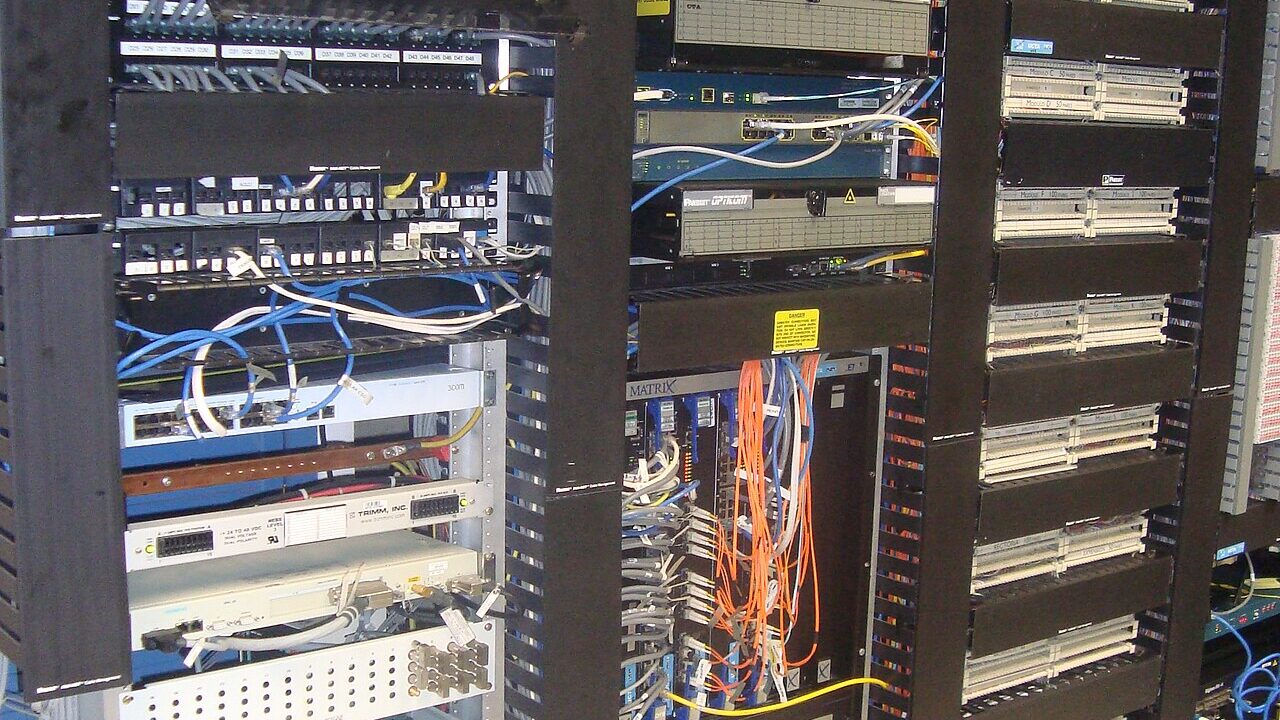
The energy question is physical before it is political. A data centre is a building full of computers that consume electricity and produce heat, and a large one can use as much power as a small city. The grid has to deliver that power, the water has to cool those machines, and the communities around them have to live with the noise, the traffic and the demand on local infrastructure. The 141 gigawatt figure is the scale of that demand, and it is why the backlash is about energy as much as about technology.
What happens next
The market has already priced the uncertainty. The Philadelphia Semiconductor Index plunged 12.2 percent on Thursday, its biggest one day drop since April 2025, then gained 4.2 percent on Friday as AMD reported data centre sales nearly doubled. Goldman Sachs argued that technology giants may pull capital spending forward into 2027, rushing to build under current approval conditions, while Jefferies described the selloff as reactionary rather than a fundamental reset.
What happens next will be decided in statehouses and in Congress, and in the power grids that have to carry the load. If the new Congress moves quickly to restrict construction or tighten energy rules, the buildout will slow and the companies that depend on it will face a longer adjustment. If it moves slowly, the builders will race to pour concrete while they still can. Either way, the energy question is now as important as the chips inside the buildings.