October 11, 2026 — The HPV vaccine may protect far more than against cervical cancer. A large Swedish study published this week found that women vaccinated against the human papillomavirus before pregnancy were significantly less likely to suffer serious pregnancy complications, including premature birth.
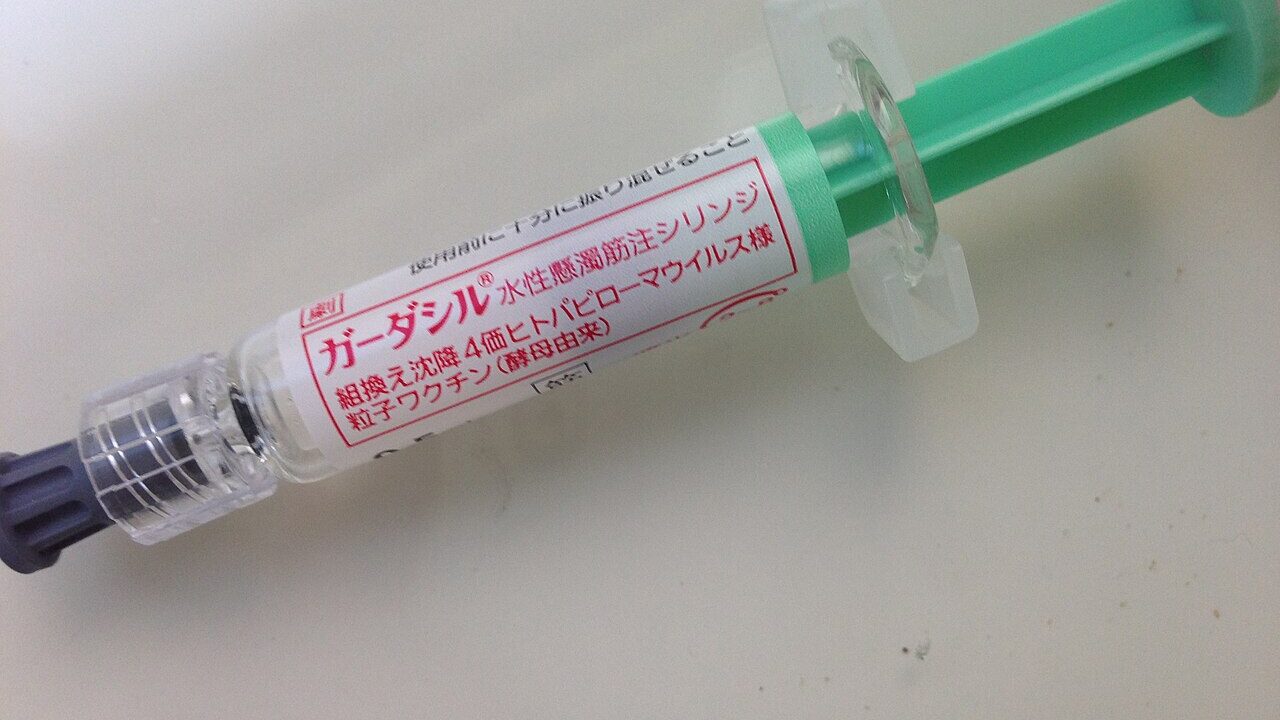
The research, published in The BMJ, drew on national health registers covering more than 624,000 first-time singleton births among women aged 16 to 35 between 2006 and 2023. About 15 per cent of the mothers had received the quadrivalent HPV vaccine before becoming pregnant.
After accounting for factors such as smoking, body mass index, income and education, vaccinated women were 5 per cent less likely to give birth before 37 weeks and 15 per cent less likely to deliver very prematurely, between 28 and 31 weeks. They also faced lower risks of ruptured membranes before labour and of babies born severely small for their gestational age.
The protective association was strongest among women vaccinated before the age of 17 — likely, researchers say, because they were immunised before any exposure to the virus. Previous research has already linked HPV infection, and the treatments used for HPV-related cervical lesions, to a higher risk of preterm birth.
The authors caution that the study was observational and cannot prove the vaccine directly prevents complications. But they conclude the findings suggest HPV vaccination is not only safe with respect to pregnancy outcomes — it may actively improve them, adding weight to school-based immunisation programmes worldwide.
Global health officials have long pushed for HPV vaccination in early adolescence, primarily to prevent cervical cancer — the vaccine’s best-established benefit. If the Swedish findings hold up in further research, they would add a powerful new argument for reaching girls before their mid-teens: protection that could extend to the health of the next generation as well.