
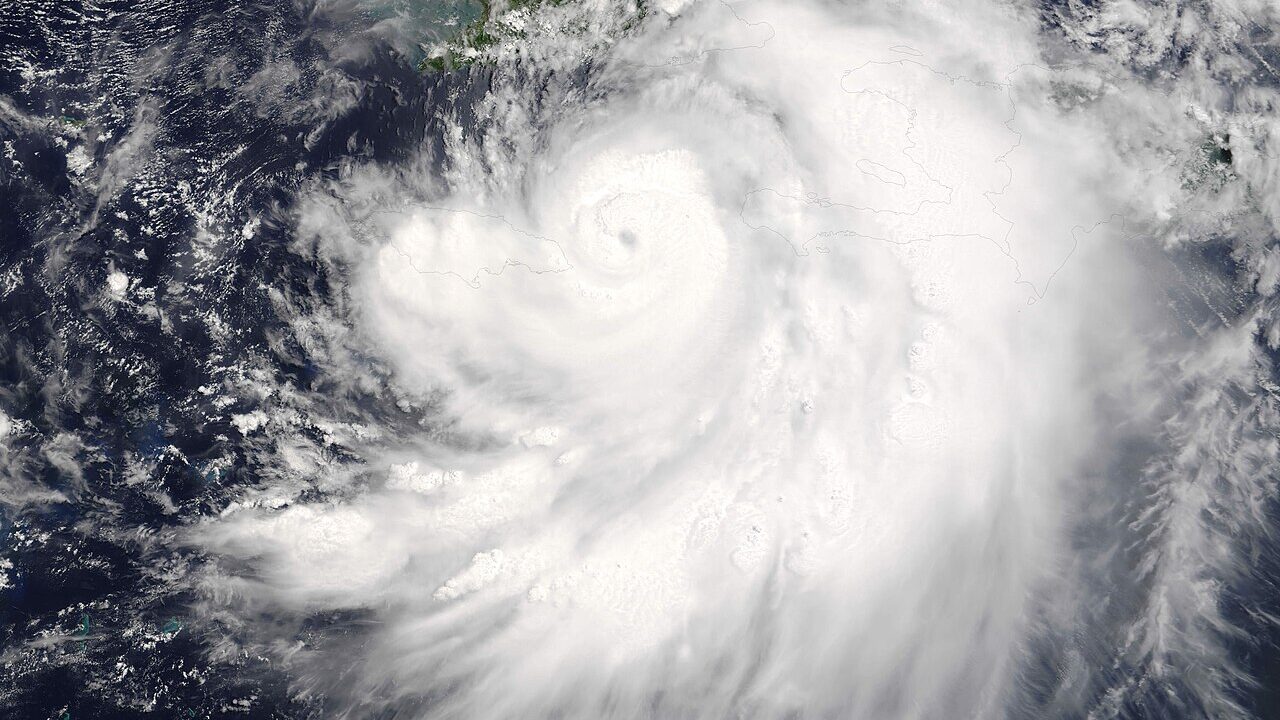
Two governors have declared states of emergency and coastal counties have ordered residents out as Hurricane Isaias bears down on the northern Gulf Coast, with landfall expected Friday or early Saturday.
Florida’s governor declared an emergency covering 25 counties earlier in the week, clearing the way for state resources, National Guard support and streamlined procurement. In Okaloosa County, officials ordered mandatory evacuations for coastal areas beginning at noon Thursday, urged tourists to leave while roads remained clear, and announced that three local airports would close Thursday evening.
Alabama’s governor followed with an emergency declaration spanning 40 counties. On Dauphin Island, the barrier island guarding Mobile Bay, officials issued an evacuation notice for the western portion of the island effective Thursday evening — the kind of low-lying, single-causeway community where storm surge decisions must be made a day early, not an hour.
Federal forecasters have warned of storm surge reaching 5 to 7 feet above sea level in the hardest-hit stretches, rainfall of 3 to 7 inches with isolated totals near 15 inches, and hurricane conditions from coastal Mississippi to the Florida Panhandle.
Emergency declarations are the unglamorous machinery that makes everything else possible: they unlock mutual-aid agreements between states, pre-position rescue teams and high-water vehicles, and let counties compel evacuations before the weather closes the exits. Officials in both states stressed the same message on Thursday — the time to leave the coast is before the bridges become the story.
With the midterms less than a month away and both states’ congressional delegations watching the response closely, the storm is also a test of government competence that voters tend to remember.
Related reading: With 25 Days to the Midterms, Voter Mood Darkens Over the Cost of Living · Sununu vs. Pappas: New Hampshire Sets Up a Senate Fight With National Stakes · Washington Sanctions 17 More Tankers in Iran's Shadow Fleet